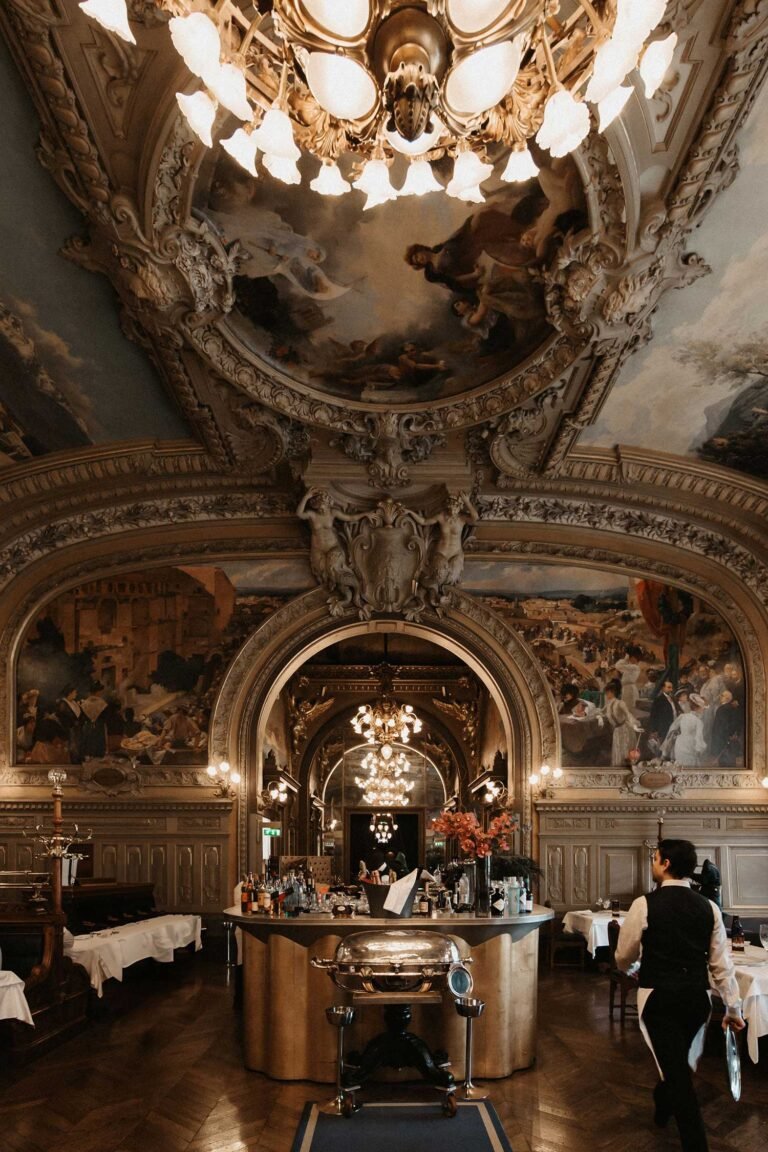
The Beauty of Staying: Why Heritage Matters in Hospitality
Every city has restaurants that command attention and restaurants that seem to belong to it.…
Every city has restaurants that command attention and restaurants that seem to belong to it.…

Last spring, I was walking through central Madrid, looking for somewhere to eat before my…

From centuries-old craft traditions to forty-year-old retail icons, heritage has become one of fashion’s most valuable—and most loosely used—ideas. But what does a brand actually inherit, and when does history become heritage?
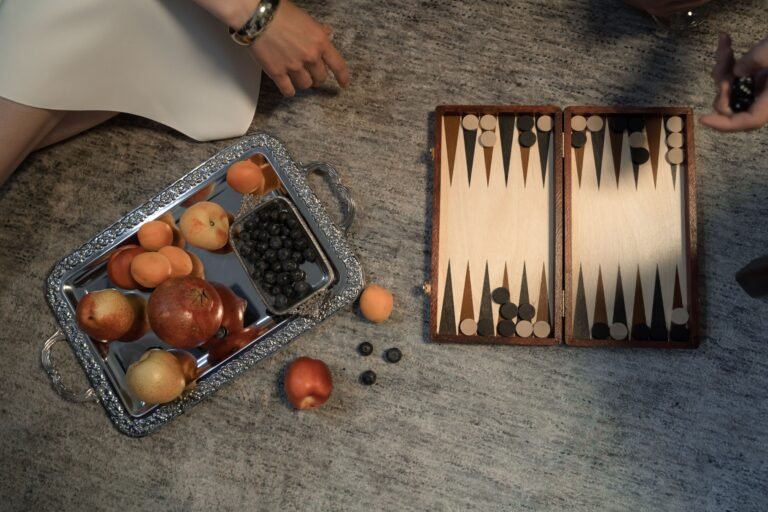
From finely crafted backgammon sets to designer playing cards, games have long belonged to the world of luxury. Today, they reveal how brands turn leisure, nostalgia and the desire to disconnect into objects of desire.
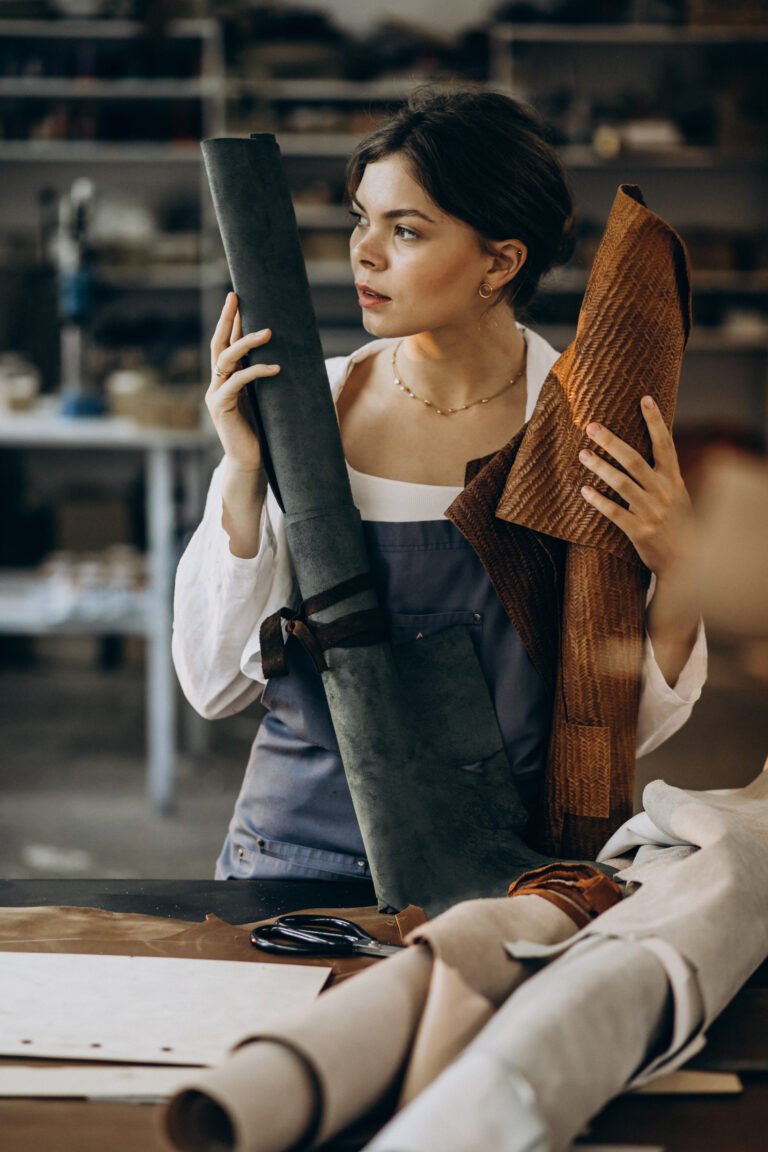
Long before an object carries a logo, a price tag, or a place on a velvet pedestal, it begins with quiet, deliberate hands. Craftsmanship is the heartbeat of true luxury—the invisible thread that separates a soulfully made creation from a mass-produced item designed simply to be consumed.
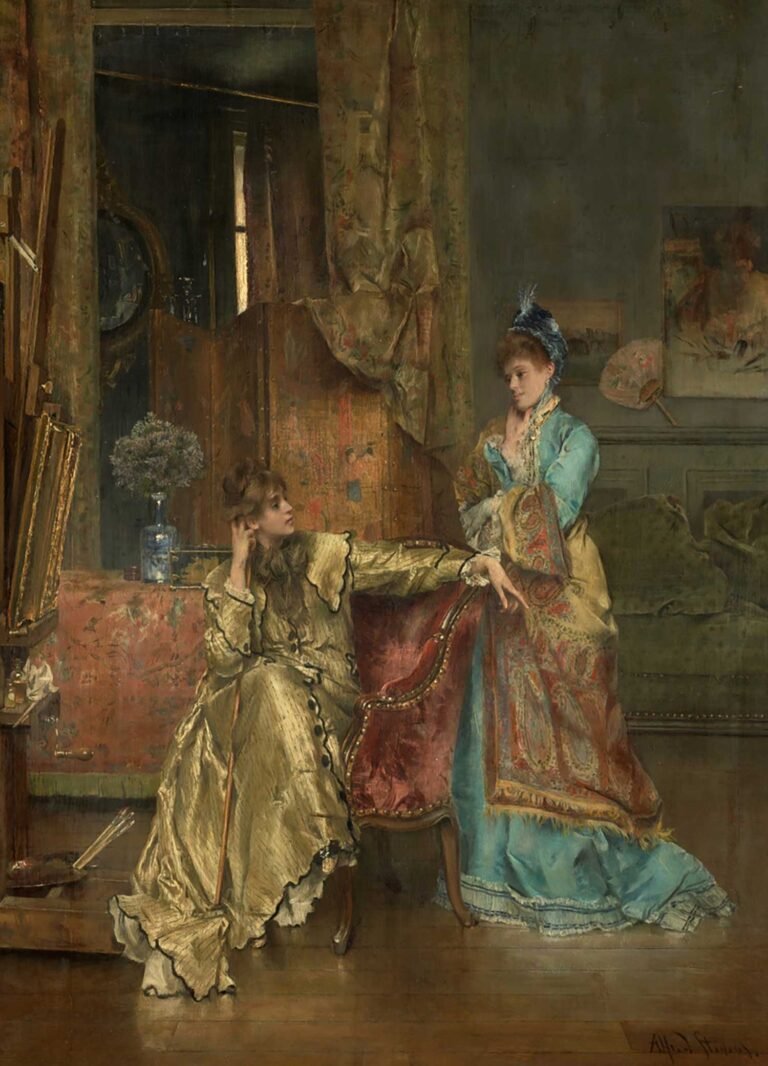
The word luxury often brings to mind grand French fashion houses, Swiss watches, legendary hotels, or high-performance cars. However, the history of luxury began thousands of years before brands existed.
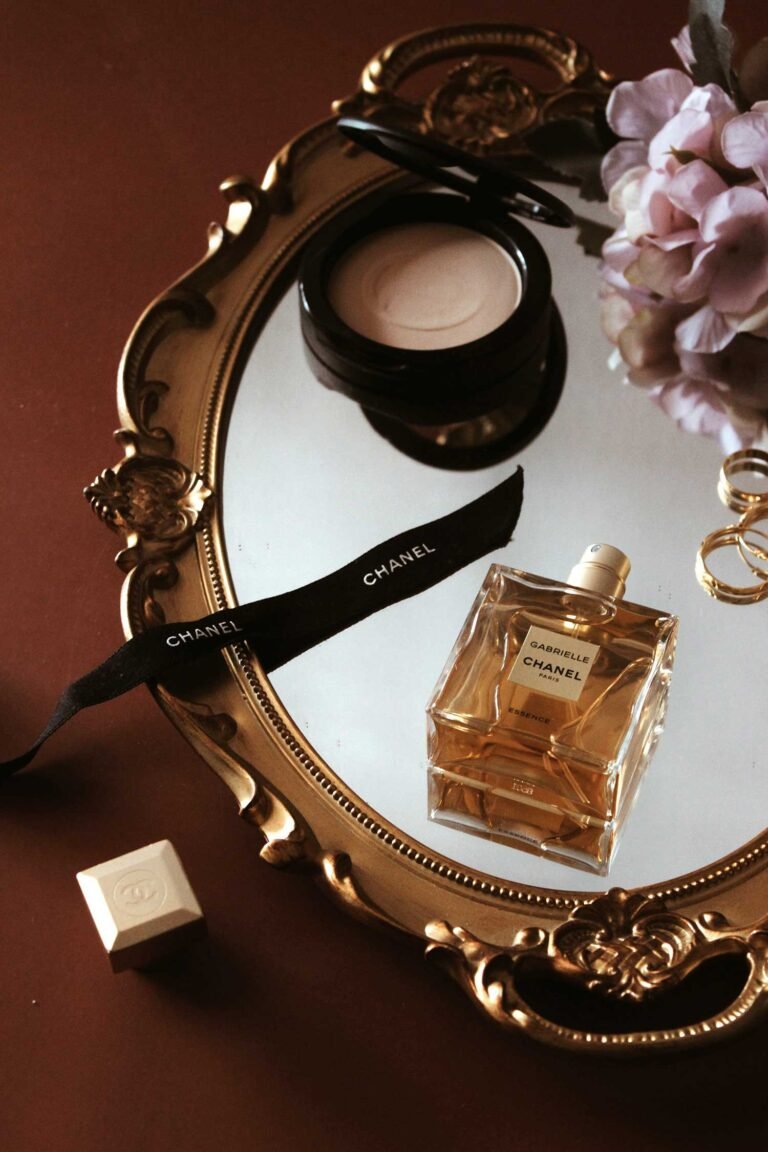
Beyond price and polished aesthetics, true luxury is built through time, meaning and consistency. An exploration of how craftsmanship, exclusivity and a distinctive vision create a brand universe that inspires lasting desire.

Family traditions, historic homes and lives shaped by continuity. The rise of aristo-influencers reveals how cultural heritage and a sense of belonging are redefining aspiration in luxury, with an appeal that extends beyond the “old money” aesthetic.
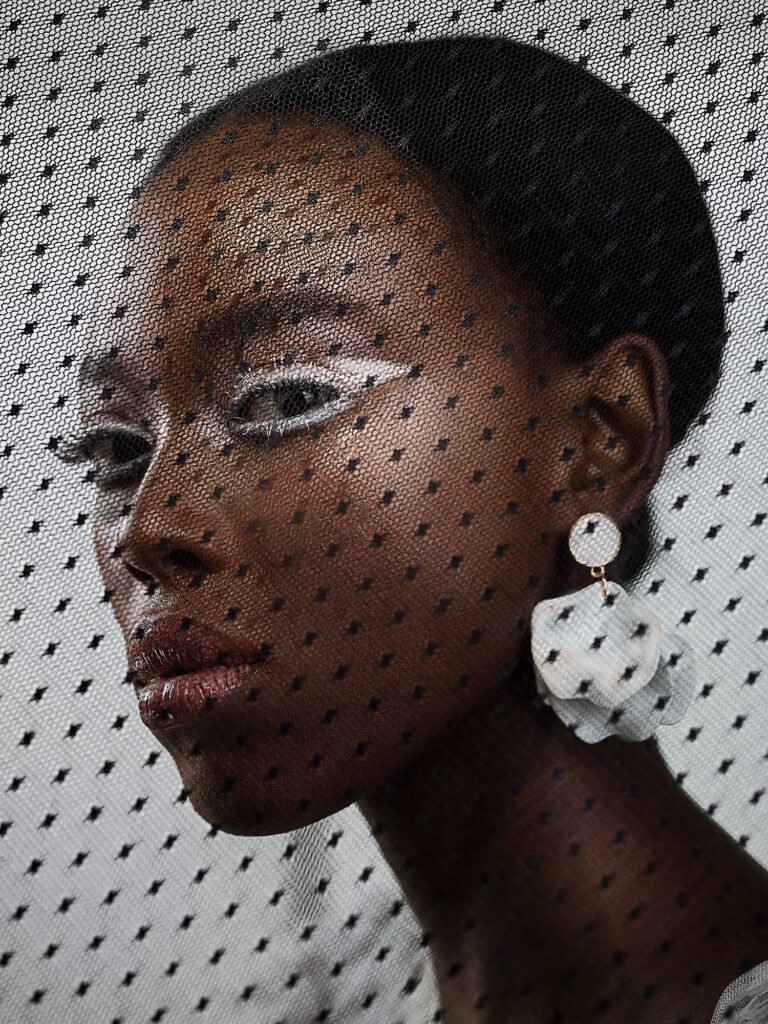
Is luxury defined simply by what costs more? Does it hinge entirely on artificial scarcity? Or is there a deeper framework that explains why certain houses maintain an untouchable aura generation after generation, while others fade as quickly as they arrive?