Long before an object carries a logo, a price tag, or a place on a velvet pedestal, it begins with quiet, deliberate hands. Craftsmanship is the heartbeat of true luxury—the invisible thread that separates a soulfully made creation from a mass-produced item designed simply to be consumed.
Back in my college days, my roommate saw me hand-painting greeting cards on our dining table. When I mentioned I planned to sell them for extra cash, he asked if I really knew who would pay a fair price for something painted by hand when cheap, generic alternatives were everywhere. I hadn’t even thought about the economics. I simply enjoyed creating them and knew they looked special.
He offered a piece of advice that stuck with me: “Don’t worry. There are people who will deeply appreciate these, but it isn’t everyone. You just need to find them, ensure what you create meets their standard of quality, and price it accordingly.”
I return to that conversation constantly whenever I reflect on the true value of craftsmanship.
Why Craftsmanship Built the Foundation of Luxury
While rare materials have always played an important role in luxury, they were never enough on their own. The true scarcity has always been human expertise and master artisans represented decades of accumulated knowledge.
However, when the Industrial Revolution made beautiful, uniform objects accessible to the masses, luxury had to redefine its purpose.
The distinction became clear: Mass production optimizes speed; luxury optimizes excellence.
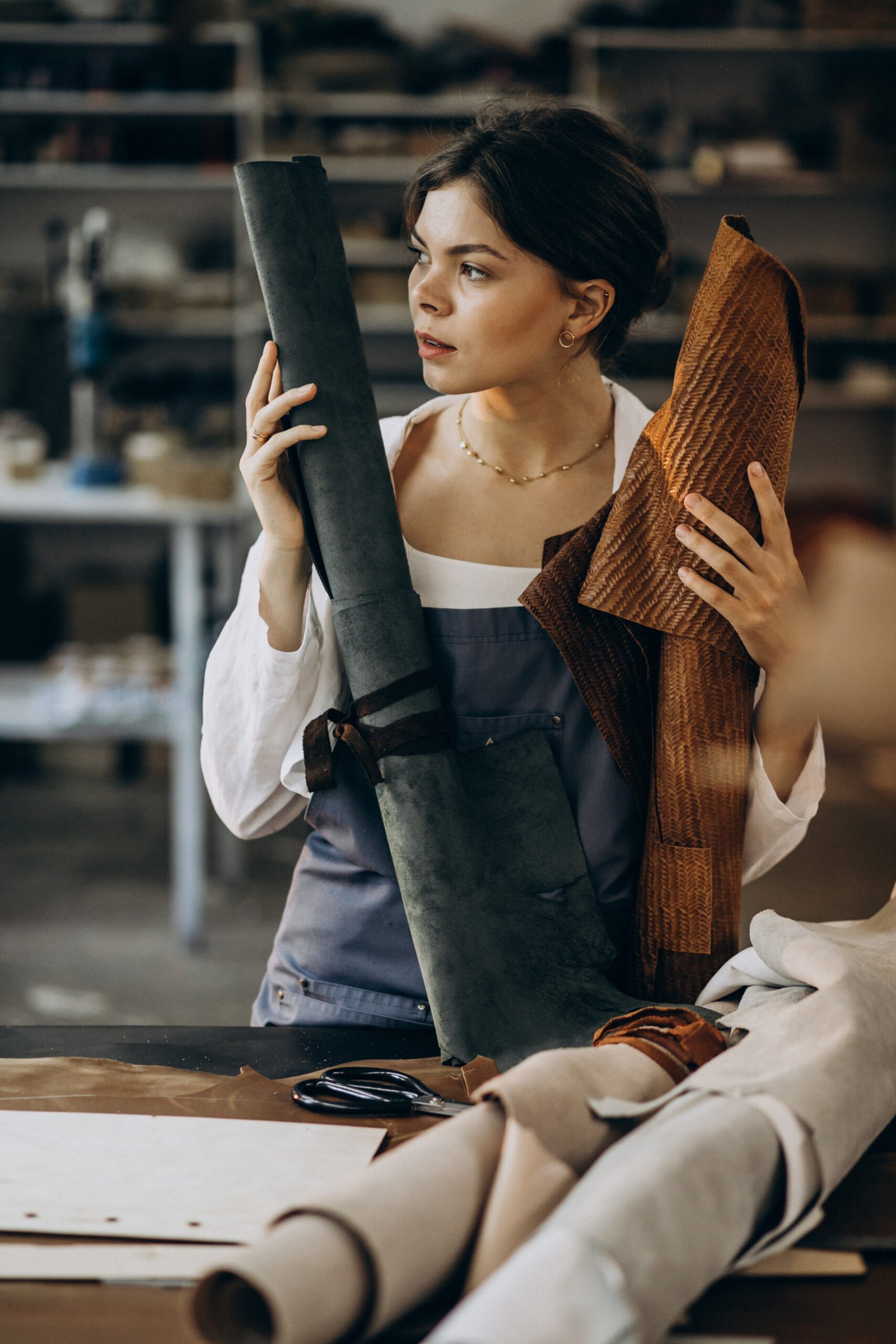
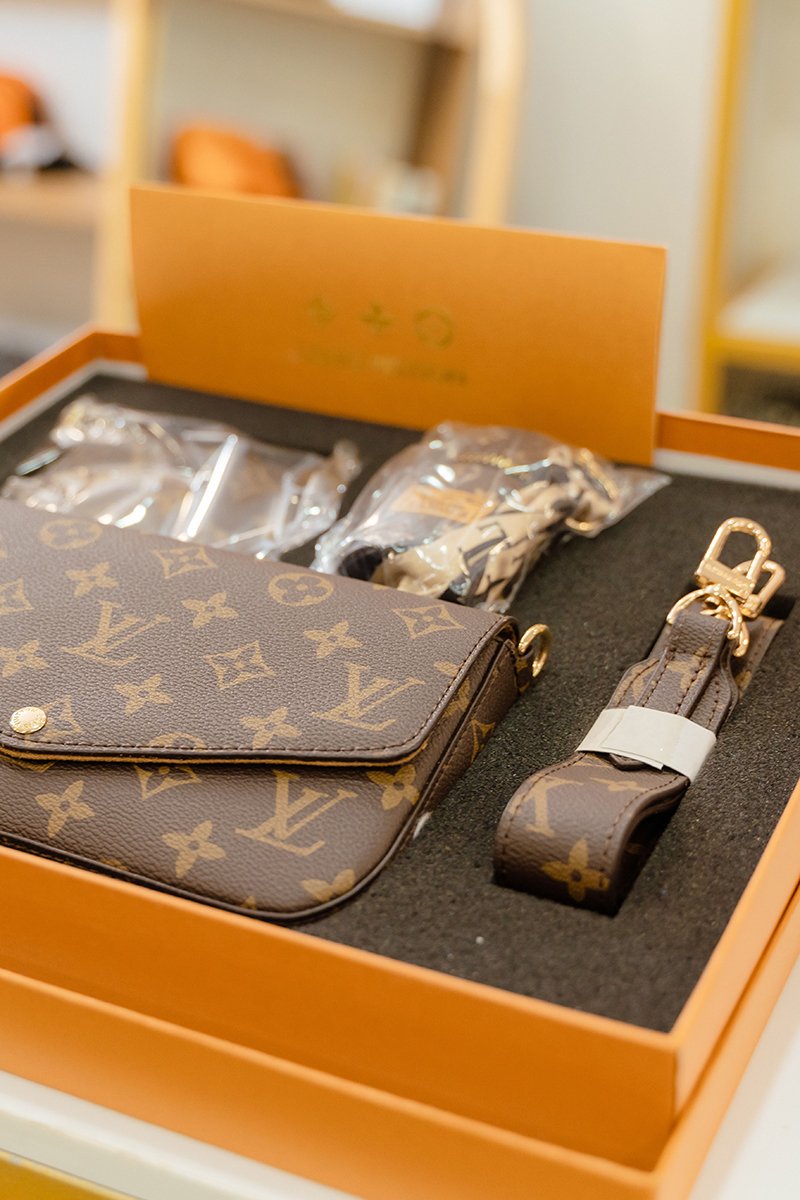
Today, almost anyone can purchase leather. Yet very few can own leather transformed by an artisan who has spent thirty years perfecting a single saddle stitch.
This devotion to craft spans every sector of high-end living. While fashion houses like Hermès, Chanel, and Loewe immediately come to mind, watchmakers (Patek Philippe, Rolex, Vacheron Constantin) and automotive makers (Rolls-Royce, Bentley) rely just as heavily on hand-finishing to sustain their aura of exclusivity.
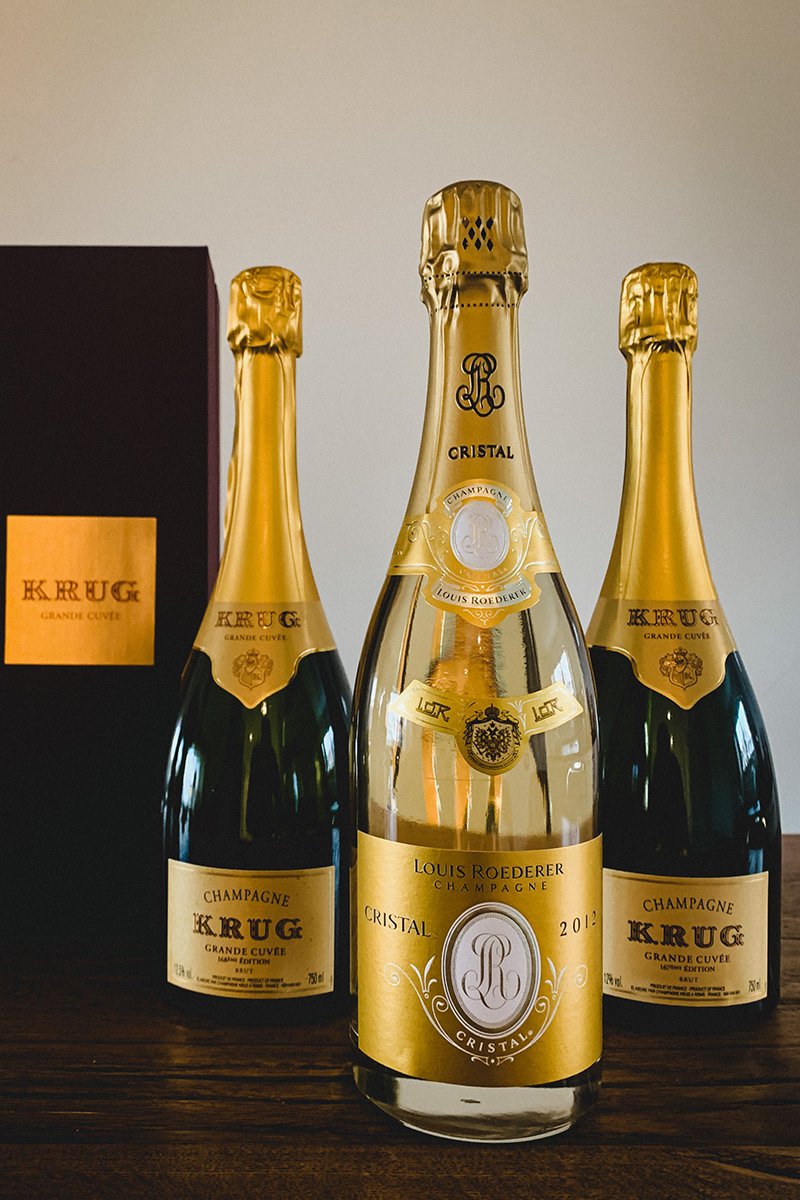
We see this same dedication in interior design (Giorgetti, Poltrona Frau), in bespoke hospitality featuring hand-painted wallpapers and custom marquetry, in fine perfumery through the flower harvests of Grasse, and in winemaking through manual harvesting and cellar mastery.


Images from pexels.com
Defining the Standard: What Makes it True Luxury?
Craftsmanship is manual expertise developed over decades—a steady accumulation of precision, technique, and instinct passed from one generation to the next.
Because of this, “handmade” does not automatically mean “luxury.” My college greeting cards were handmade, but they were not luxury goods. Had I continued, invested decades into refining my technique, and sourced the finest papers, I might now own a twenty-year-old stationery atelier selling high-end pieces that could one day cross into luxury. But execution alone isn’t enough; luxury craftsmanship operates at an extraordinary standard across four core pillars:
1. Intentional Time
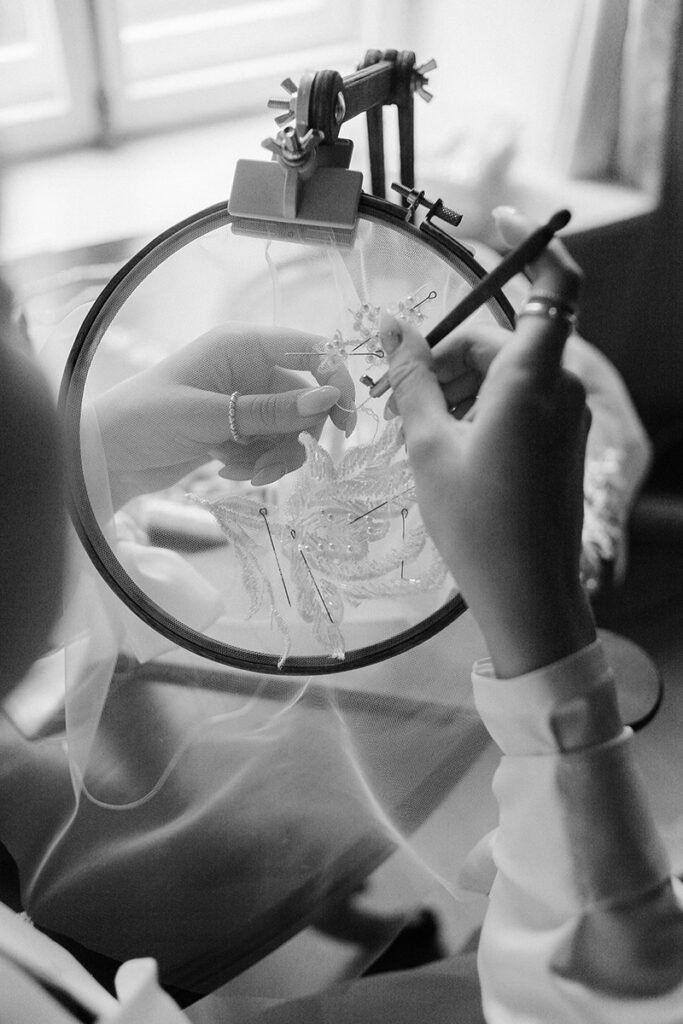
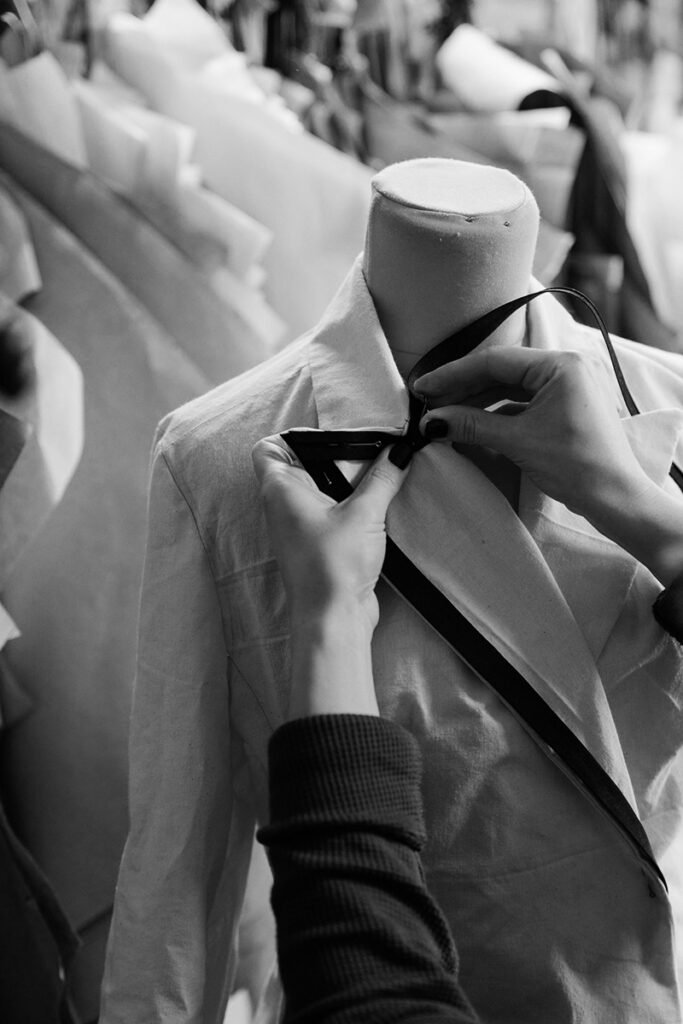
During red-carpet commentary, hosts often highlight how many hundreds of hours were spent embroidering a single gown. In a fast-paced world driven by speed and cost-cutting, time itself becomes the luxury material.
True luxury craft invests time where the customer might never consciously look:
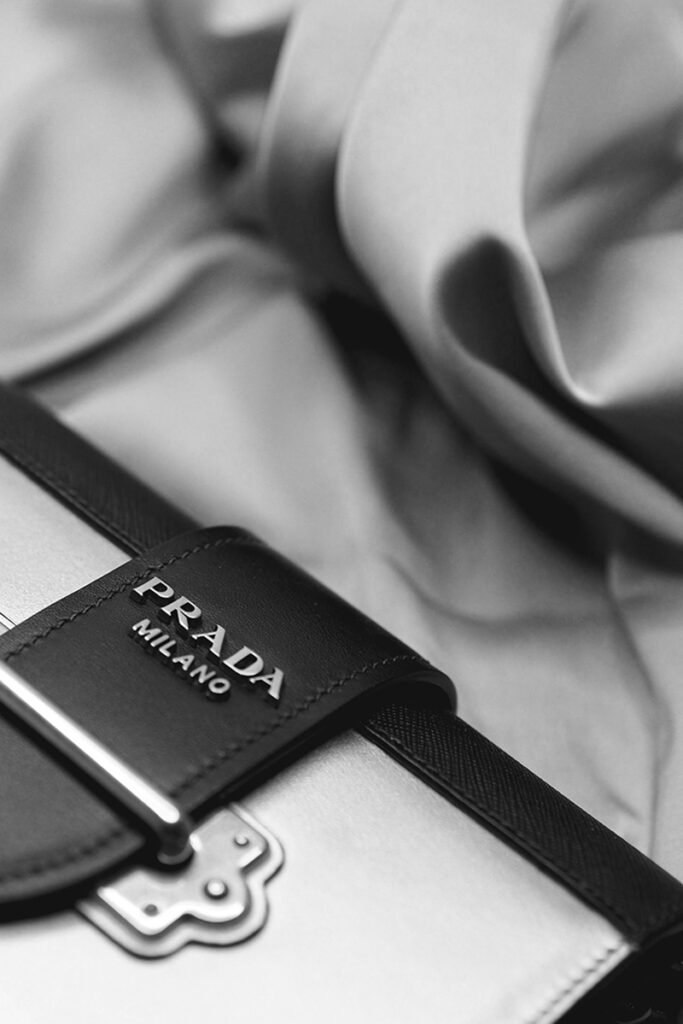
- Polished edges inside an Hermès bag that remain hidden from view
- Hand-finished internal seams and invisible stitching
- Perfectly matched wood grain in automotive trim
- Hand-rolled edges on silk scarves
This dedicated time covers more than just assembly. It spans months of intentional design and rigorous quality control—two quiet, non-negotiable prerequisites for excellence.



Images from pexels.com
2. Mastery, Heritage & The Human Element
Mastery is far more than technical ability—it is deep expertise, or savoir-faire. Techniques like point sellier (saddle stitching) or Lesage hand-embroidery simply cannot be replicated by machines.
Today’s luxury consumers increasingly want to see the human hands behind the product. We see this in initiatives like Chanel’s Métiers d’Art, the Loewe Foundation Craft Prize, and Brunello Cucinelli’s artisan workshops. Houses actively highlight their craftspeople to make the human element explicit.
During my Creativity in Luxury class at Vogue College, our instructor Roxana Ciucur emphasized a lesson I’ll never forget: displaying artisans actively working on their craft is one of the ultimate immersive experiences in luxury. It turns a product into a live performance during runway shows, exhibitions, and VIP events.
This heritage is sustained through transmission—master artisans guiding apprentices through workshops, schools, and family lineages. This continuity builds brand history and deep consumer trust. Had I stayed the course with my stationery atelier, I might be passing those exact techniques down to my daughter today, taking one step closer to true luxury craft.
3. Material Respect, Authenticity & Technology
Exceptional raw materials—full-grain leather, raw silk, organic wool, precious metals—are essential. Artisans respect these materials rather than forcing them into artificial uniformity, embracing the natural variations that give an item character and a human soul. In fact, many luxury houses reject the vast majority of raw materials they inspect simply because subtle natural flaws fall outside their standards.
Importantly, luxury craftsmanship is not anti-technology; it is deliberate about where technology belongs. Modern artisans utilize laser cutting, CAD, digital prototyping, and 3D modeling to enhance efficiency, while leaving the final, critical touches strictly to the human hand.
4. Longevity, Repairability, and Culture
True craft creates objects designed to be restored, not replaced. Repairability stands alongside authenticity and permanence as a defining marker of luxury.
Well-crafted items age gracefully. Time adds character to quality materials, resulting in a patina that tells a personal story. Through this longevity, luxury houses act as guardians of culture, keeping historic arts—such as rare lace-making, feather-work, and glassblowing—alive and solvent.
Just picture Cartier in 2053 hiring my daughter to lead a team hand-painting a capsule stationery line, exercising techniques that trace back to a humble dining table in a college dorm in 2003.
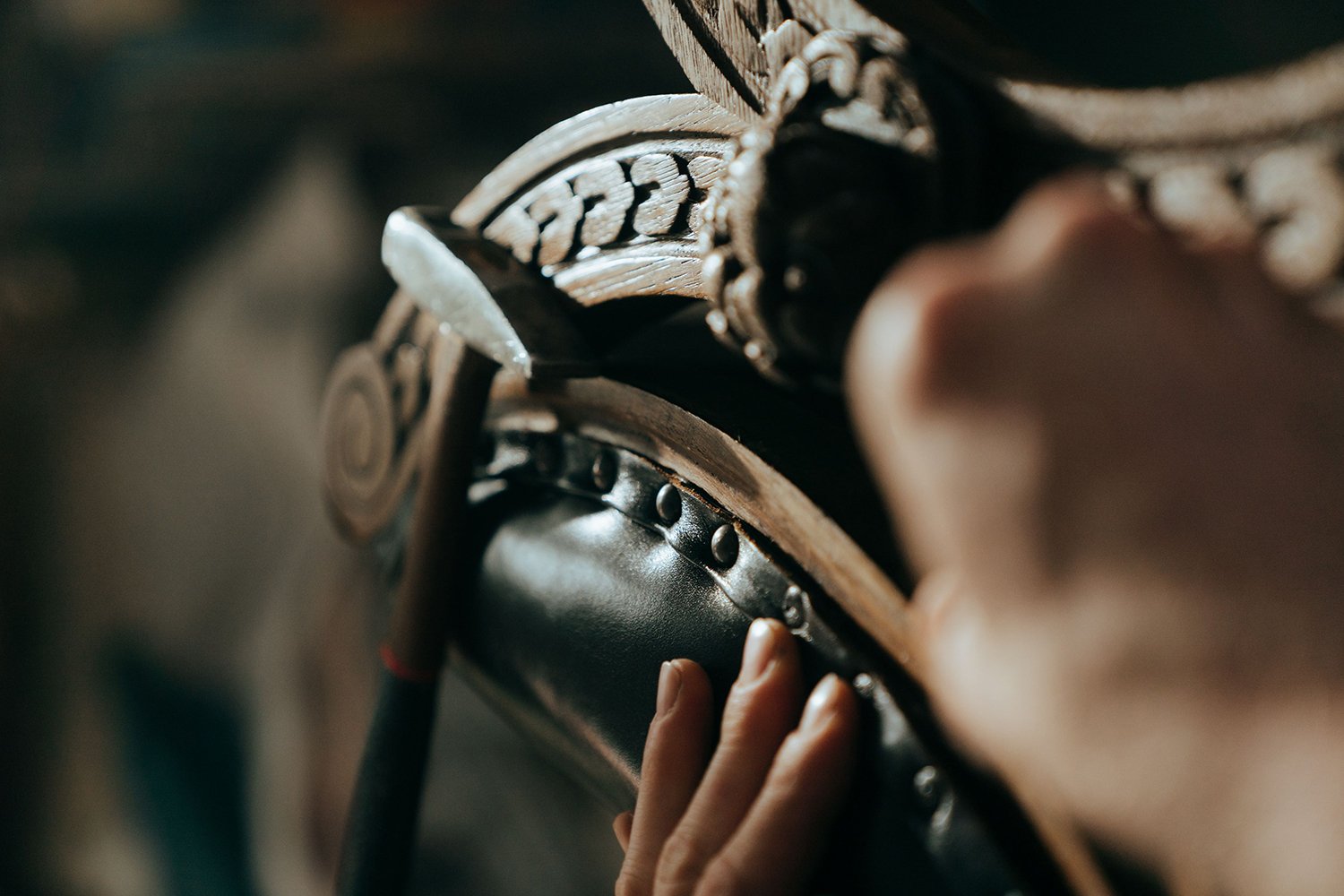
Image from pexels.com
The Enduring Value of Craft
In a world increasingly obsessed with instant gratification, true luxury craftsmanship stands as a quiet act of defiance. It is the ultimate expression of sustainability through a simple, radical choice to buy less, keep longer, and honor human skill.
Can craft survive in our fast-paced reality? Perhaps its value has grown precisely because it has become so rare. Luxury craftsmanship preserves something our culture is rapidly losing: human excellence developed slowly, patiently, and deliberately. At its core, it remains one of the few sanctuary spaces left where time will always matter more than speed.