The word luxury often brings to mind grand French fashion houses, Swiss watches, legendary hotels, or high-performance cars. However, the history of luxury began thousands of years before brands existed. Long before anyone spoke of brand strategy, marketing, or positioning, humankind already attributed enormous value to certain objects, materials, and experiences that distinguished those who possessed them.
From the earliest organized societies, extraordinary objects have served to express power, identity, prestige, spirituality, and even immortality. Materials change, symbols change, and tastes change, but the human need to surround oneself with what is considered exceptional remains surprisingly constant. In one form or another, luxury has always existed. And it’s always been desired by most.
I love how The History of Luxury puts it: “The history of luxury is the history of civilization and human society. It tells the story of the rise of human wealth, appreciation toward extraordinary and collective indulgence”.
When luxury was a divine privilege
Even thought spiritually and socially it can be traced back to the palaeolithic period already had some forms of luxury connected to rituals, The first manifestations of luxury in it’s materialistic form appeared in the great ancient civilizations. In Egypt, Mesopotamia, Persia, Greece, and Rome, the rarest materials were reserved for rulers, priests, and political elites.
Gold, lapis lazuli, ivory, and precious stones were hard-to-obtain resources, laden with meaning. A necklace could represent a connection to the gods. A golden cup could symbolize authority over a territory. A tunic dyed with specific pigments could indicate an unquestionable social rank.
Ancient Egyptian Pharaohs and wealthy nobles, for example, flaunted power using sheer linen, exotic wood, and scents. Because they thought life lasted forever, their tombs were full of treasures. Their ultimate luxury was a perfect afterlife.
The Middle Ages: Luxury as a demonstration of power
During the European Middle Ages, wealth began to be expressed in new ways. Castles, cathedrals, handwoven tapestries, ornate armor, and family jewels came to represent the power of the nobility and the Church.
Textiles acquired enormous importance. Silk from the East was extremely valuable. Velvet, gold thread embroidery, and certain natural dyes cost a fortune.
In many kingdoms, there were even laws that restricted who could wear certain colors, fabrics, or jewelry. Luxury continued to be a tool for marking social differences.
The Renaissance and the birth of patronage
With the Renaissance came a new understanding of luxury.
The great Italian families began to use art, architecture, and knowledge as symbols of prestige. The Medici in Florence are probably the best-known example. Funding artists, architects, and scientists became a way to build a legacy.
During this period, luxury began to approach something that remains fundamental today: cultural value.
It was no longer simply about possessing expensive objects. It also mattered to demonstrate artistic sensibility, intellectual refinement, and good taste.
The artisan’s revolution
Between the 17th and 19th centuries, many of the crafts that remain the foundation of contemporary luxury emerged.
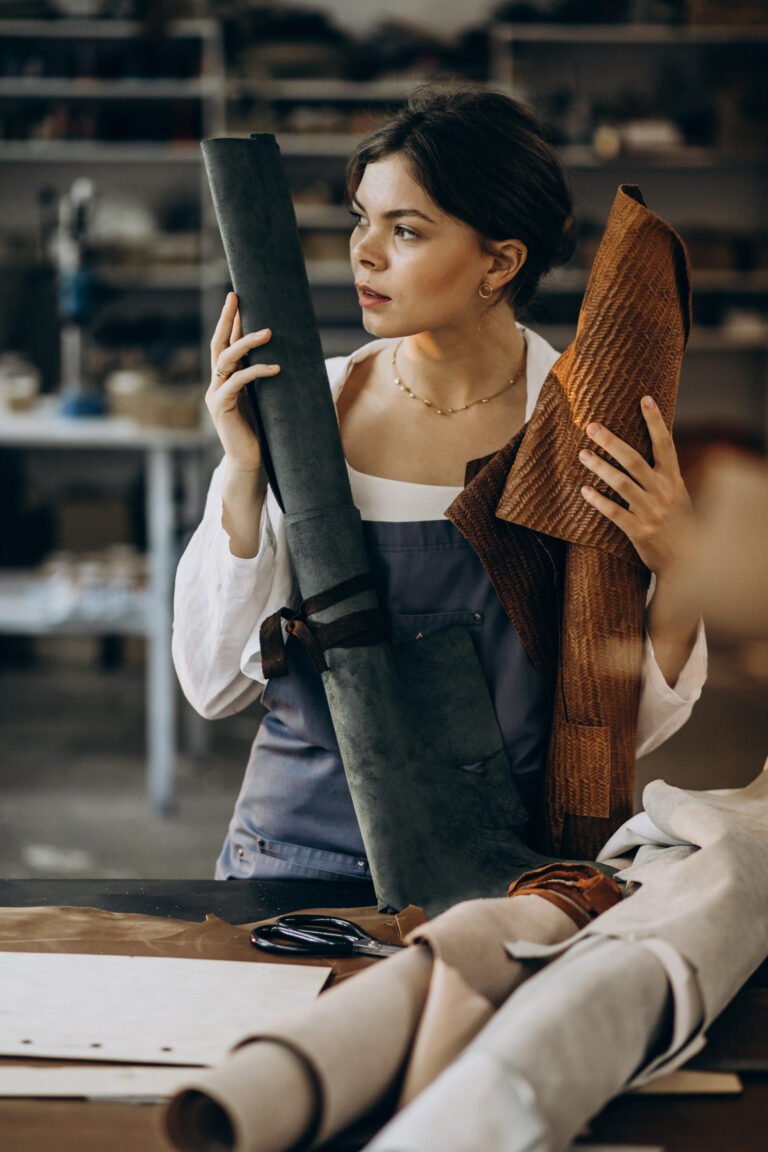
The finest watchmakers in Switzerland, the best porcelain makers in Europe. The great leather workshops, the expert tailors, the jewelers capable of working with exceptional stones. Reputation began to be built around expertise. A master craftsman was not merely someone who made an object, but someone whose experience was virtually impossible to replicate. That idea continues to be one of the cornerstones of modern luxury.
The industrial revolution changed the rules
Industrialization made it possible to manufacture products at an unprecedented speed.
For the first time, many people could access goods that had previously been reserved for a select few. Mass production democratized consumption, but it also created a new problem: when everyone can have something, it ceases to feel exceptional.
It was precisely at this moment that luxury redefined its purpose.
Instead of competing on quantity, it began to compete on quality, exclusivity, tradition, and artisanal excellence.
It is a transformation that still defines the sector.
The birth of the great fashion houses
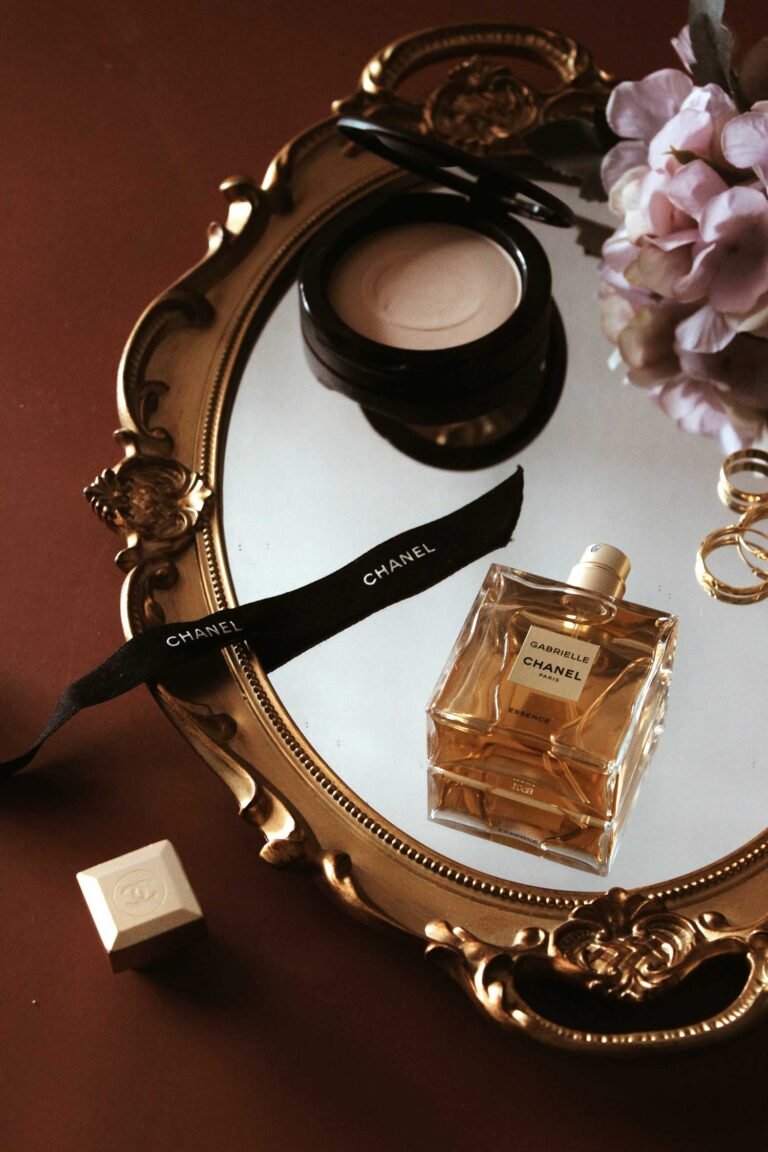
Durante los siglos XIX y XX aparecieron muchas de las firmas que hoy asociamos con el lujo internacional. Casas de moda, joyería, relojería y marroquinería comenzaron a desarrollar una identidad propia basada en la excelencia, la innovación y una estética muy reconocible.
Ya no bastaba con fabricar productos extraordinarios. Había que construir una historia y una identidad. El lujo moderno empezó a entender que el valor de una marca también reside en aquello que representa.
El lujo en el siglo XXI
Today we live in a curious situation. Never before has there been such visual richness. Social media provides constant access to images of spectacular hotels, exclusive cars, and iconic handbags. However, precisely because of this abundance, true luxury has begun to shift toward less obvious realms.
Time has become a luxury. So has privacy.
Tranquility, personalized attention, craftsmanship, authenticity. Experiences that are difficult to replicate.
New generations increasingly value what conveys meaning over what simply communicates wealth. It is no coincidence that many brands are revisiting their historical archives, reinforcing artisanal work, or opting for more limited production runs.
Luxury continues to evolve, but it retains the same essence it had thousands of years ago: to offer something exceptional, scarce, and profoundly desirable.
An industry that never stops reinventing itself
Throughout history, luxury has transformed countless times. It has evolved from a symbol reserved for emperors and kings to a global industry capable of influencing fashion, design, gastronomy, hospitality, automotive, architecture, and art.
However, one thing remains constant. Luxury has never been solely about possessing expensive objects. It has always been linked to what a society considers extraordinary.
That’s why it’s so difficult to define in a single sentence. Because luxury changes with each era, each culture, and each generation. What remains constant is the human desire to seek beauty, excellence, meaning, and that which transcends the everyday.
Perhaps that is precisely why luxury has always existed. And it will likely continue to exist as long as humankind exists.
Recommended books to continue exploring luxury
If you’re interested in understanding how the concept of luxury has evolved throughout history and how it has become one of the world’s most influential industries, these works offer highly complementary perspectives:
- On Luxury: An Essay on Civilization — Werner Sombart
A classic of economic sociology that analyzes the role of luxury in the development of Western societies, trade, and culture. Although written over a century ago, many of its reflections remain surprisingly relevant.
- Eternal Luxury: From the Age of the Sacred to the Age of Brands — Gilles Lipovetsky and Elyette Roux
One of the most influential essays on the historical and cultural evolution of luxury. It explains how it went from being an aristocratic privilege to becoming a global industry and a contemporary form of expression.
- The Luxury Strategy — Jean-Noël Kapferer and Vincent Bastien
Considered an international reference for understanding how major luxury brands think and operate, from their history to their growth and positioning strategies.