
Who Defines Taste in Modern Luxury?
Last spring, I was walking through central Madrid, looking for somewhere to eat before my…
Last spring, I was walking through central Madrid, looking for somewhere to eat before my…

From centuries-old craft traditions to forty-year-old retail icons, heritage has become one of fashion’s most valuable—and most loosely used—ideas. But what does a brand actually inherit, and when does history become heritage?
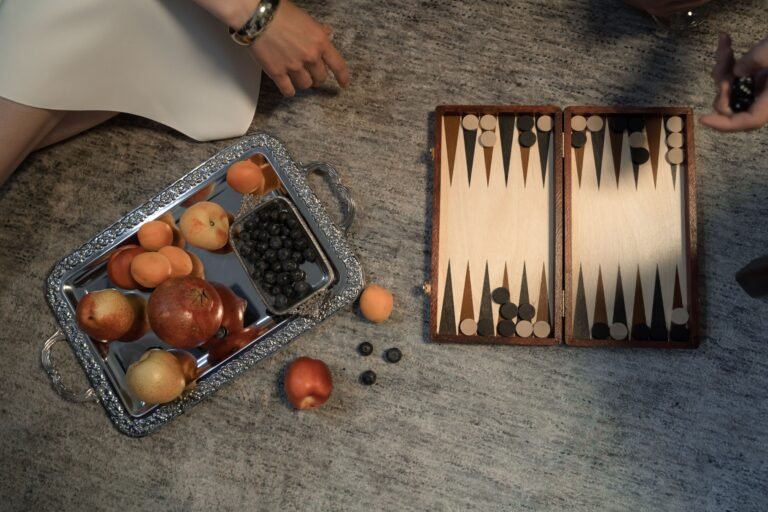
From finely crafted backgammon sets to designer playing cards, games have long belonged to the world of luxury. Today, they reveal how brands turn leisure, nostalgia and the desire to disconnect into objects of desire.

Family traditions, historic homes and lives shaped by continuity. The rise of aristo-influencers reveals how cultural heritage and a sense of belonging are redefining aspiration in luxury, with an appeal that extends beyond the “old money” aesthetic.
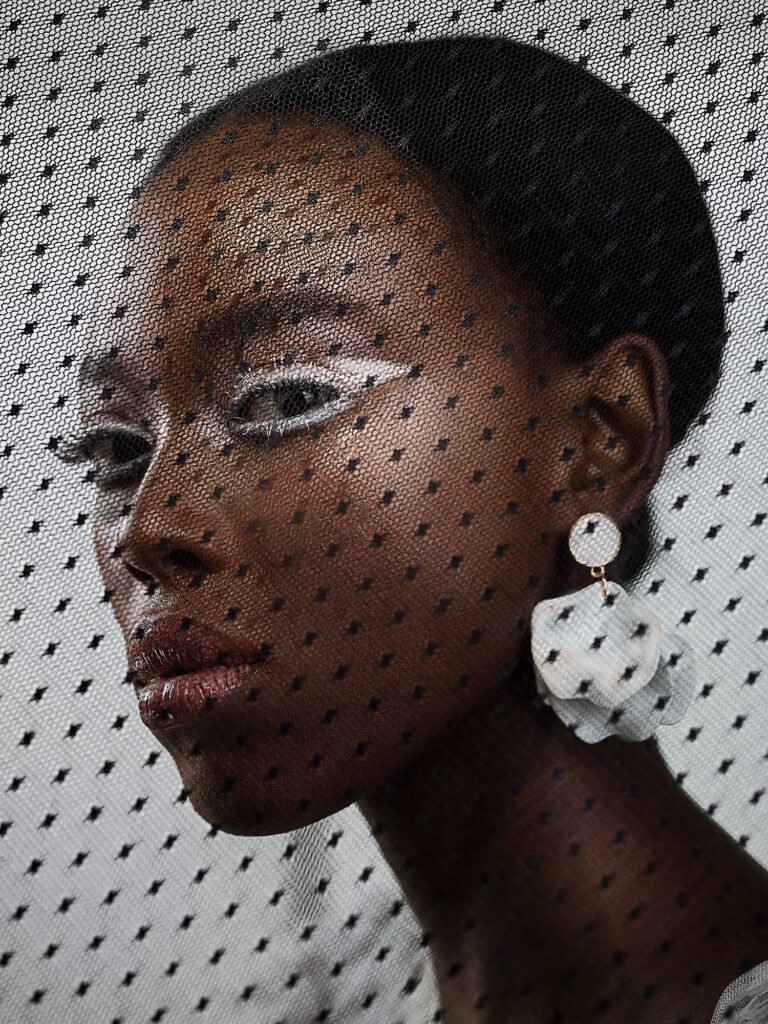
Is luxury defined simply by what costs more? Does it hinge entirely on artificial scarcity? Or is there a deeper framework that explains why certain houses maintain an untouchable aura generation after generation, while others fade as quickly as they arrive?

For years, summer marketing revolved around the idea of escape. Exotic islands, infinity pools, all-inclusive…

Based on refined minimalism, healthy-looking skin, understated style, and apparent natural serenity, the clean beauty style quickly transcended social media trends to become a broader cultural language.