For years, summer marketing revolved around the idea of escape. Exotic islands, infinity pools, all-inclusive resorts, tropical cocktails, and the promise of doing absolutely nothing.
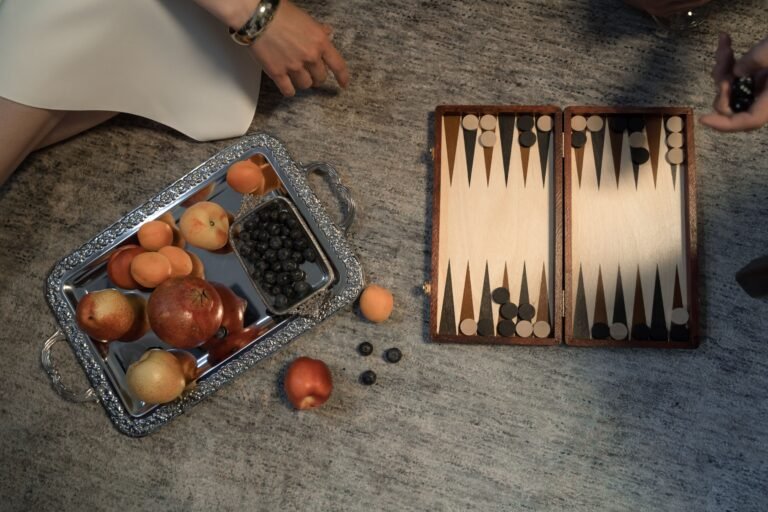
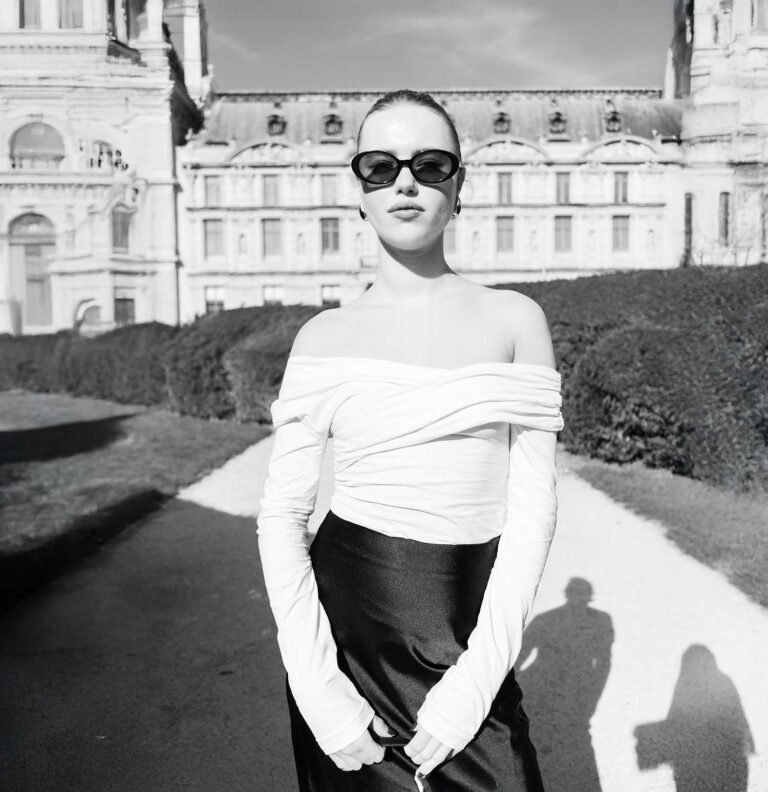
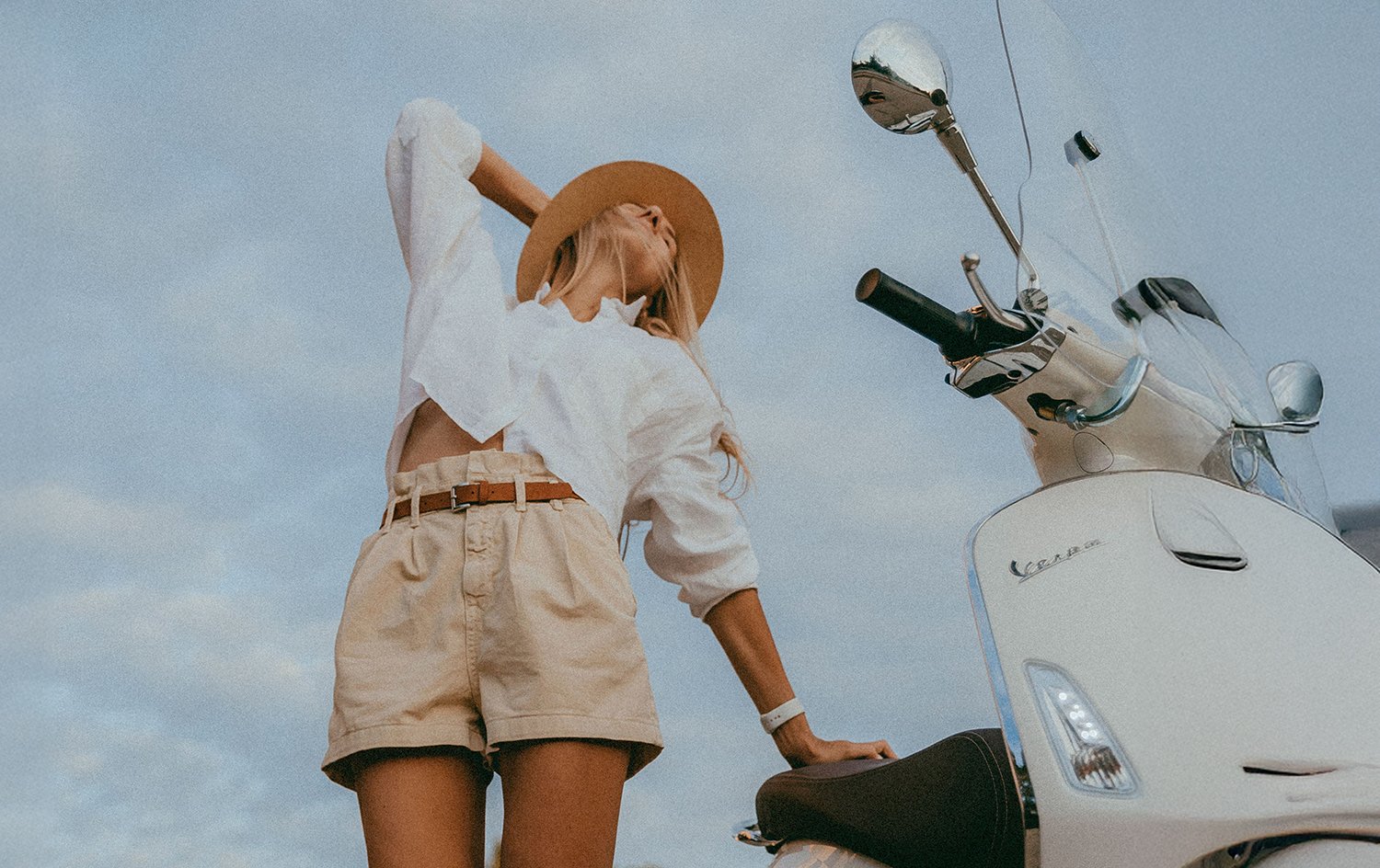
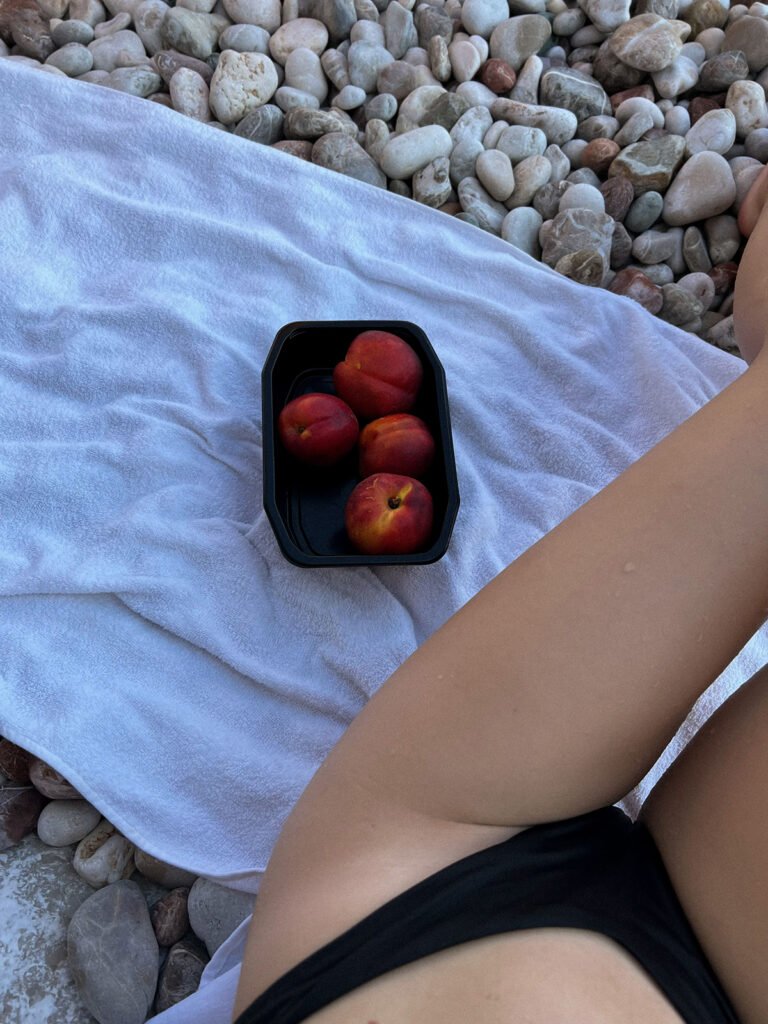
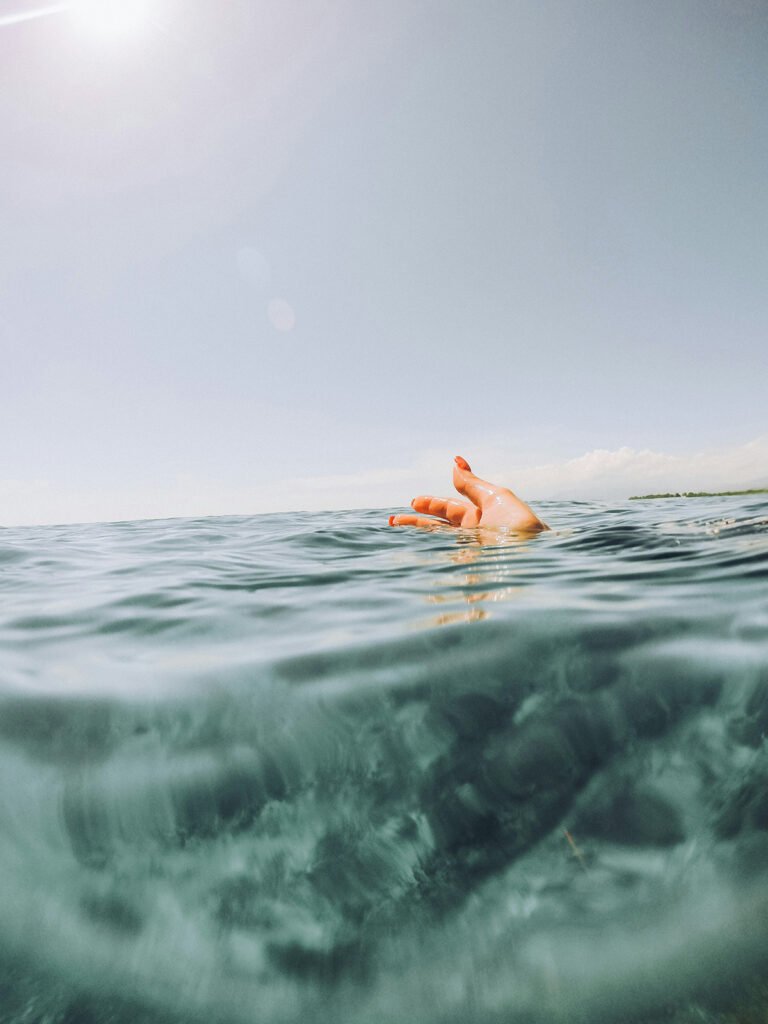
Then something shifted, and the destinations people began to romanticize, as it turned out, weren’t necessarily the most luxurious or the most expensive. Instead, social media was flooded with images of linen shirts drying on balconies in Italy, older couples strolling along cobblestone streets in the South of France, handwritten menus outside neighborhood restaurants in Spain, fishermen returning at dawn in Greece, and afternoon swims followed by seafood lunches that stretched on for hours.
The internet gave this aesthetic a name: Euro Summer.
But, as always, reducing it to an aesthetic completely misses the point. Euro Summer represents something many people feel they’ve lost. Now we’re trying to recapture it somehow.
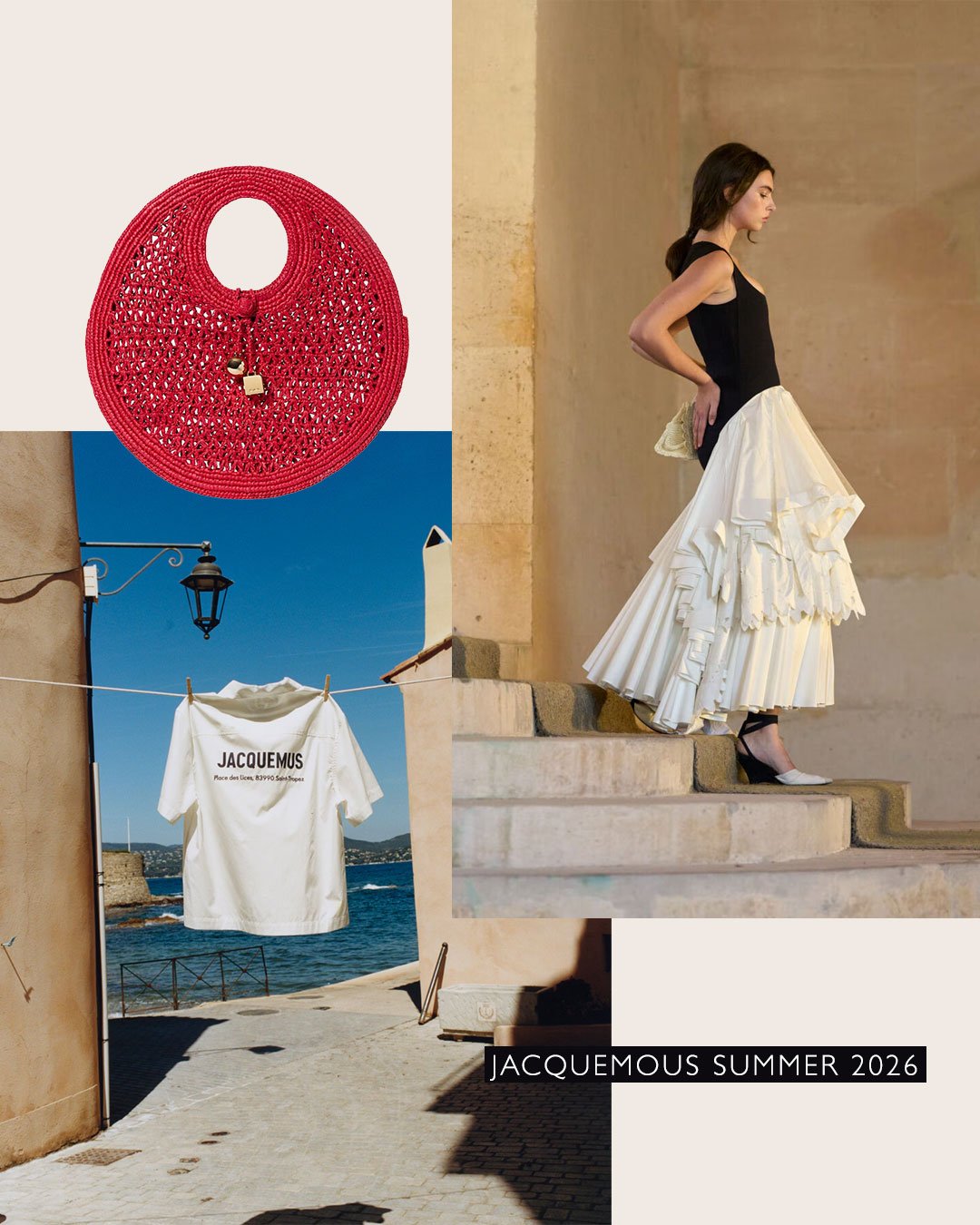
More than a destination
What makes a European summer so desirable isn’t the geography, but the pace.
For decades, productivity has been the defining value of modern culture. We optimize schedules, track steps, count calories, automate conversations, and turn almost every hobby into content.
Life has become increasingly efficient and increasingly exhausting. In contrast, Europe—or at least the idealized version circulating online—offers the opposite: a slower lunch, a walk instead of a commute, fresh food bought daily instead of weekly, a café where you don’t even open your laptop.
An afternoon where nothing particularly productive happens. You’re simply ouy there, living.
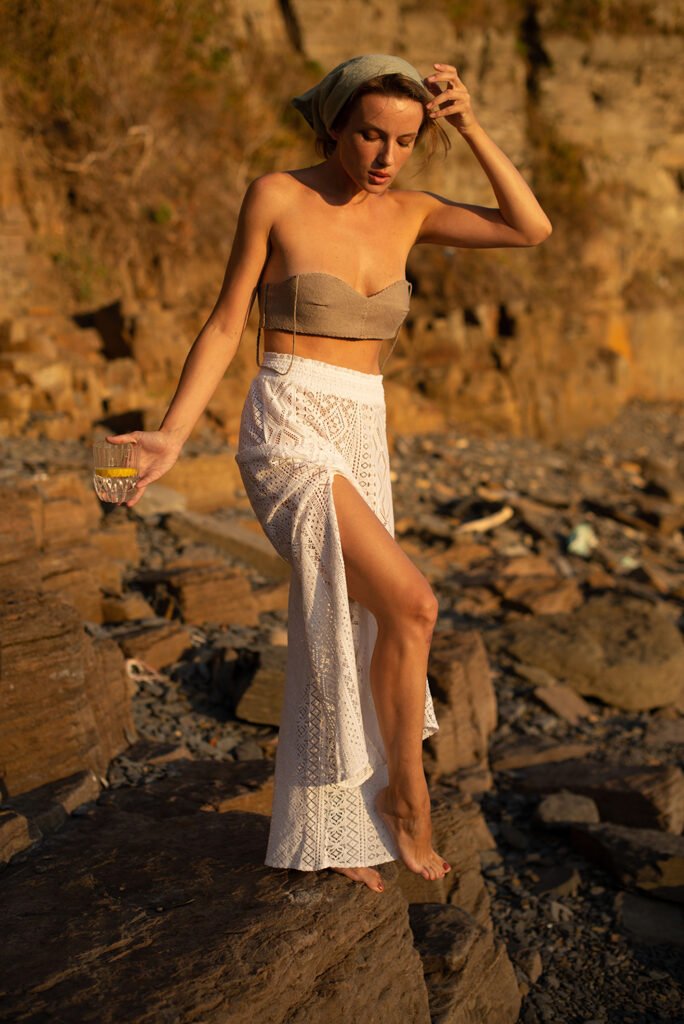
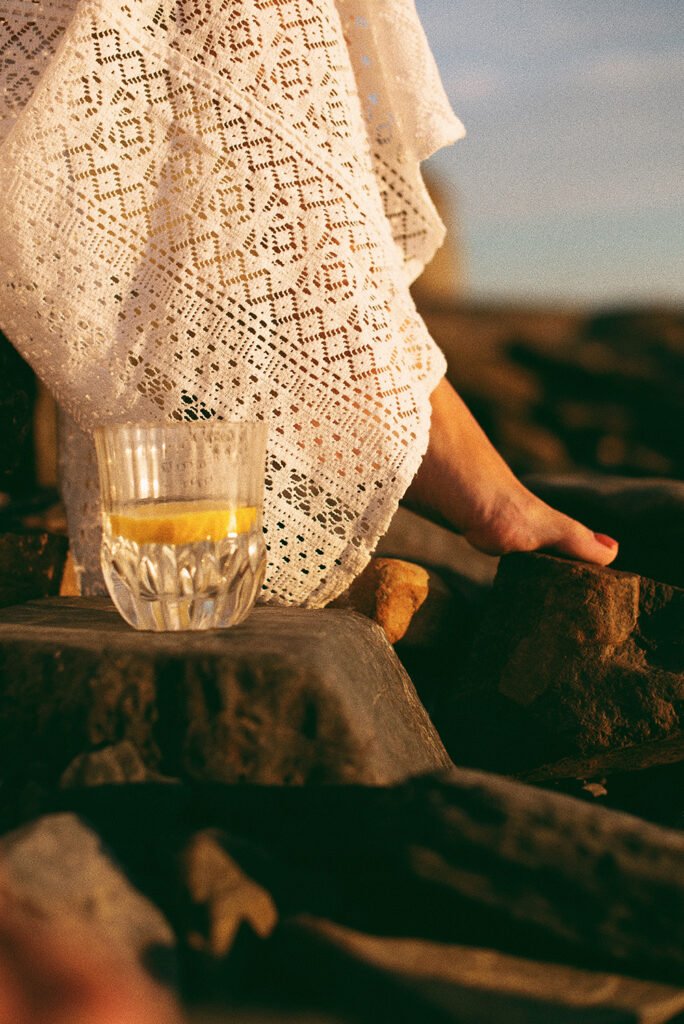
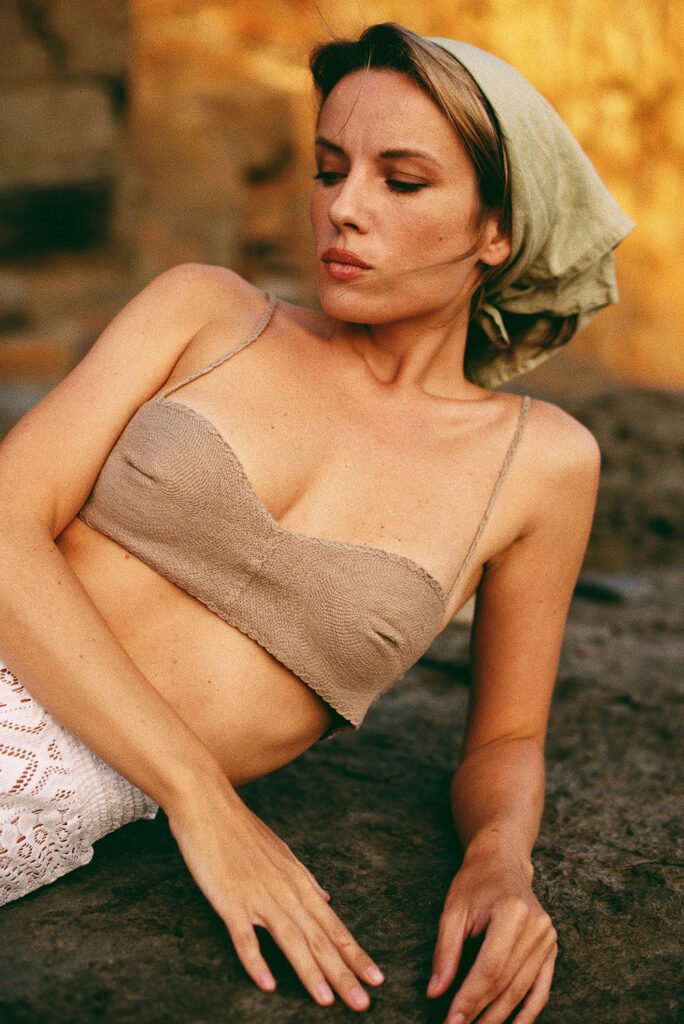

Fotos: Kate Gundareva en Pexels
The luxury of time
Luxury has always reflected cultural desires, and there was a time when luxury meant excess. Large logos, conspicuous wealth, and visible consumption were key. Today, the symbols are changing.
One of the strongest status symbols has shifted from owning more to needing less. And time has quietly become one of the most aspirational luxuries available.
That means having the ability to disconnect. Spending three hours at dinner, traveling without rushing along an itinerary, returning to the same hotel every summer instead of chasing the next trend.
These experiences communicate something increasingly valuable: freedom versus urgency. Perhaps that’s why Euro Summer resonates so deeply: instead of simply promising beautiful places, it promises a different relationship with time.
Back to analog
Another reason this trend feels so powerful is that it coincides with a broader cultural shift toward analog living.
Film photography and vinyl records are experiencing a renaissance, while printed books continue to exceed expectations, and handwritten journals have become aspirational objects. Pottery, gardening, embroidery, cooking, and collecting are increasingly prominent in contemporary culture.
None of these activities are efficient, and therein lies their appeal: they require presence. Images of the European summer naturally align with this mindset, depicting experiences that cannot be rushed.
Why luxury brands should pay attention
For luxury brands, Euro Summer offers a glimpse into a profound shift in consumer aspirations. People are increasingly less interested in displaying wealth and more interested in showcasing taste. Symbols of wealth and taste remain, and their power is undeniable, but the most successful luxury campaigns of recent years rarely focus solely on products. Instead, they sell an atmosphere associated with a feeling, a worldview, and a unique rhythm.
They are responding to a cultural desire for authenticity, permanence, and emotional richness.
The romance of everyday life
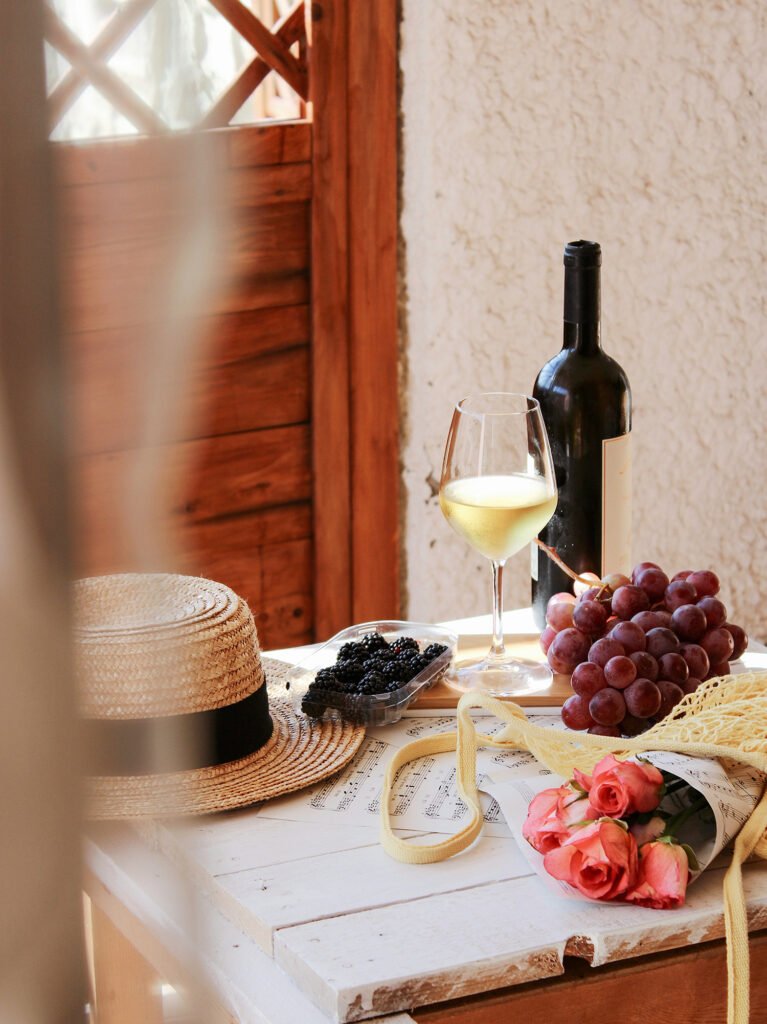
Perhaps the greatest lesson behind Euro Summer is surprisingly simple. It’s the dream of ordinary moments lived with beauty: breakfast on a terrace, fresh flowers on the kitchen table, reading before dinner, cycling through narrow streets.
Beyond the trend
Eventually, another name will replace Euro Summer, and another visual language will dominate social media. Another destination will become fashionable, but the cultural forces behind this movement will hardly disappear.
As our lives become increasingly digital, automated, and fast-paced, the desire for slowness will only continue to grow.
The European summer, whether experienced on the Amalfi Coast or imagined through a screen thousands of miles away, has become a symbol of something bigger. A way of life.
Luxury is often found in the rare, and how rare is it to have enough time to notice the afternoon light, linger a little longer with another glass of wine, and allow a beautiful day to unfold without rushing toward the next?