A reflection on the evolution of contemporary luxury, inspired by the report The State of Fashion: Face to Face With Luxury Clients, published by The Business of Fashion and McKinsey & Company.
Luxury is entering a new stage
For decades, the luxury industry relied on a surprisingly stable formula: exceptional craftsmanship, brand heritage, scarcity, visibility, and status. Owning a luxury product communicated success, good taste, and social standing. A handbag, a watch, or a piece of jewelry often served as an immediate way to convey that achievement.
These elements haven’t disappeared, but they no longer seem sufficient. According to The State of Fashion: Face to Face With Luxury Clients, a study of more than 2,000 luxury consumers in the United States and China, emotional connection has become the primary driver of desire for a brand, even surpassing craftsmanship, heritage, exclusivity, or cultural relevance.
Perhaps this is the clearest sign yet that luxury is changing from within.
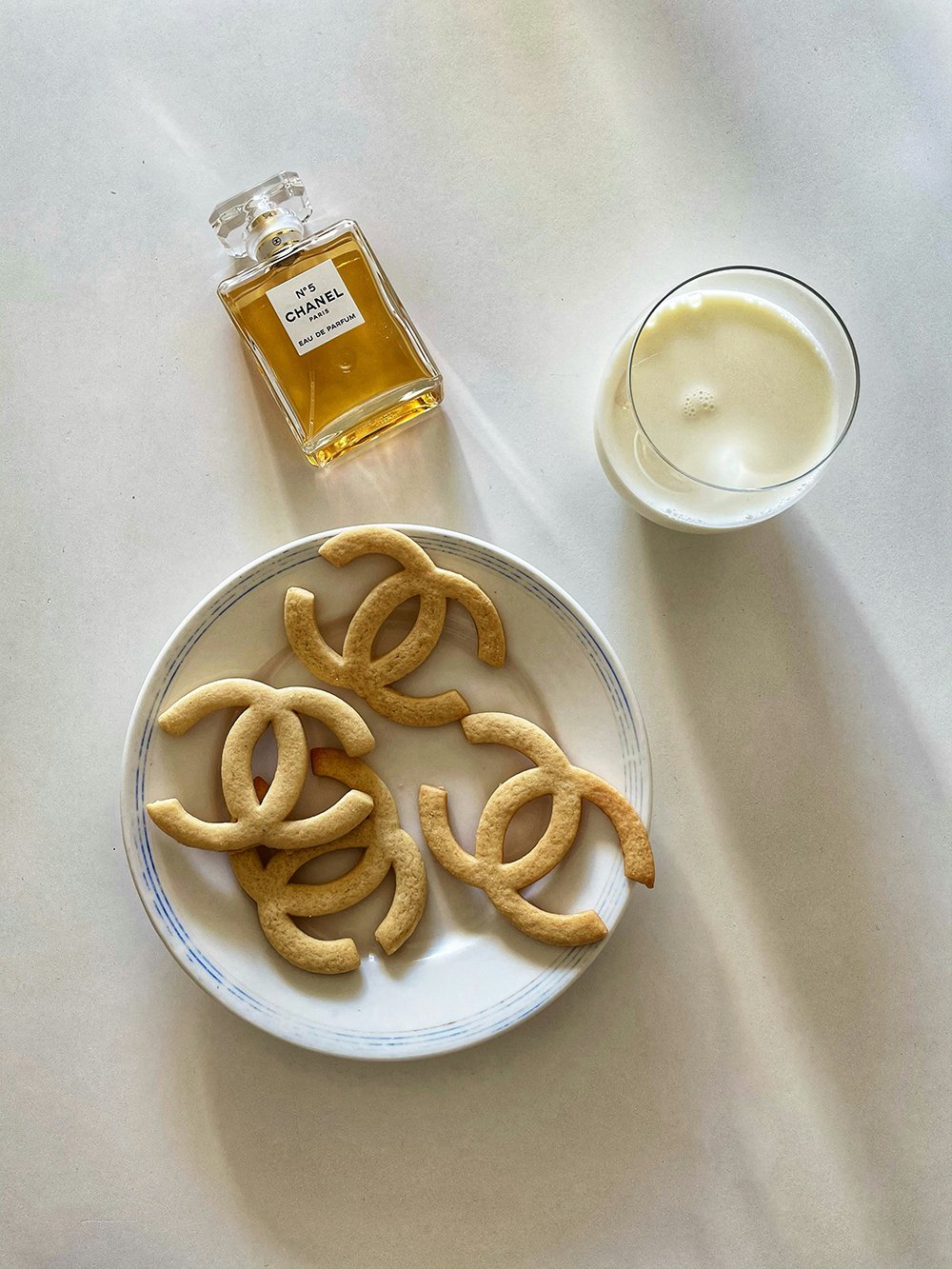
The product is no longer the whole story.
One of the most interesting aspects of the report is that it never suggests consumers value quality less. Quite the opposite. Quality and craftsmanship remain fundamental expectations.
The difference is that they have ceased to be differentiating factors and have become the starting point. In other words, flawless execution is no longer enough on its own. What truly generates desire is something much more difficult to create: meaning.
More and more consumers are choosing brands that they feel are aligned with their identity, their values, their aspirations, and their worldview. The object itself remains important, but the emotional narrative surrounding it has acquired equal weight. Luxury is increasingly about being part of meaningful worlds.



Legacy still matters, but only when it remains alive
Perhaps one of the most surprising conclusions of the report is that historical heritage plays a far less significant role than many industry executives might imagine when consumers explain why they are drawn to a luxury brand.
This doesn’t mean that history has ceased to matter, but rather that it can no longer exist as an isolated asset.
A legacy that fails to connect with the present risks becoming merely an archive. Conversely, when that legacy is interpreted through culture, creativity, and emotion, it transforms into identity.
This distinction will likely become even more important over the next decade, though only time will tell.
Emotional connection does not mean the same thing in all cultures
One of the report’s greatest strengths, in my view, is its avoidance of treating the luxury consumer as a one-size-fits-all profile. This difference in approach is particularly interesting because emotional motivations shift depending on the cultural context.
In the United States, luxury purchases are closely linked to personal reward, individuality, and personal values. Consumers are increasingly seeking brands that reflect who they are.
In China, the emotional connection remains just as important, although it’s expressed differently. Luxury is more closely tied to trust, social expression, and recognition, while the in-store experience plays a much more significant role in forging an emotional bond with the brand.
It’s a different emotional journey, and for global brands, understanding these nuances is now as crucial as understanding their own markets.
Why this changes the way we understand branding
For brand designers and creative directors, this shift has profound implications. If emotional connection has become the primary driver of desire, branding can no longer be understood solely as a visual exercise.
Typography alone doesn’t create emotional bonds. Neither does a logo or a carefully selected color palette. Visual identity remains essential, but it acts as the expression of something much deeper.
A brand becomes desirable when each of its elements—from visual language to retail space, editorial voice, campaigns, and customer experience—consistently contributes to reinforcing a story that people genuinely want to identify with. This is the difference between a design that seeks to evoke emotion through aesthetics and one that evokes emotion by making meaning visible.
Beyond inspiration
Perhaps the most important lesson from this report is that luxury seems to be moving away from external validation and toward a much more personal resonance, or one shared by a select few.
People still aspire, but increasingly they aspire to feel something rather than simply possess something. Perhaps that’s one of the reasons why the most successful luxury brands today invest as much in cultural relevance, narrative, and experiences as they do in developing their own products.
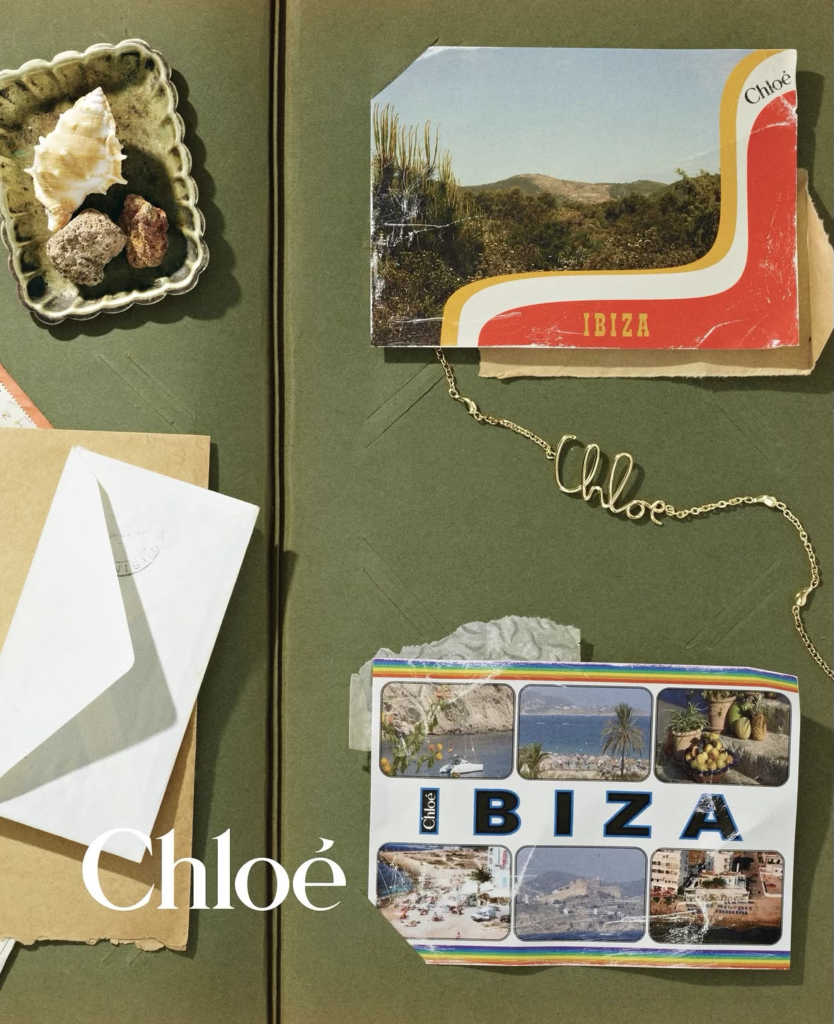
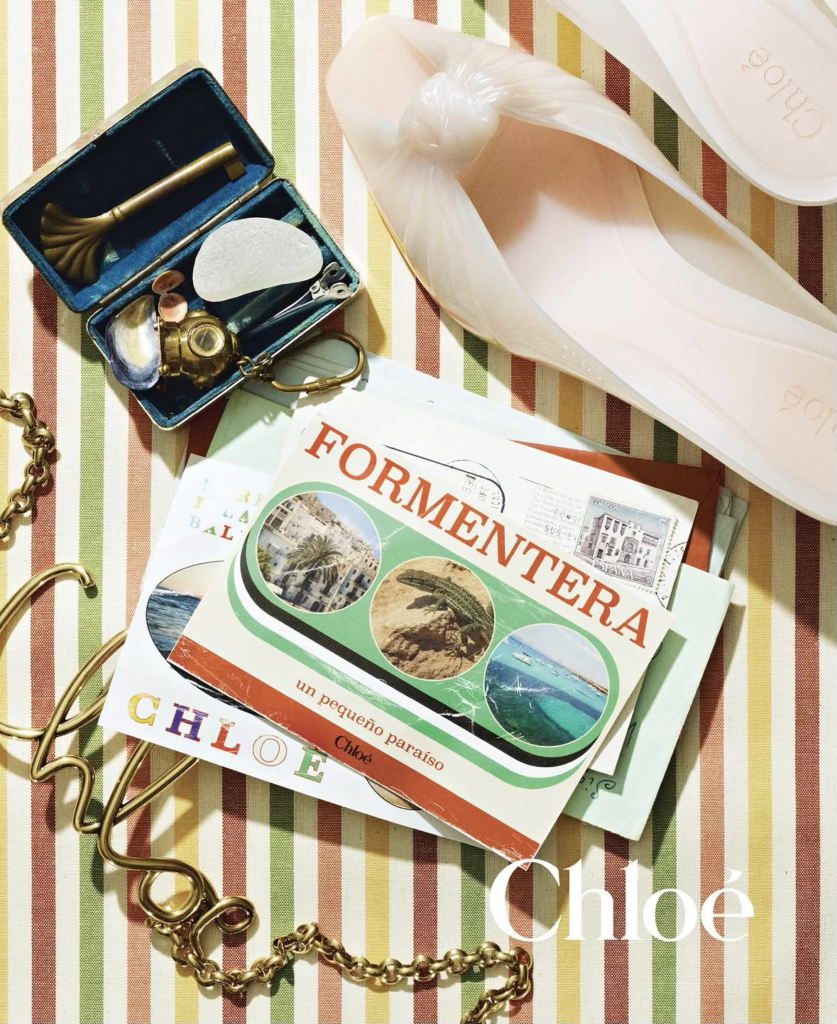
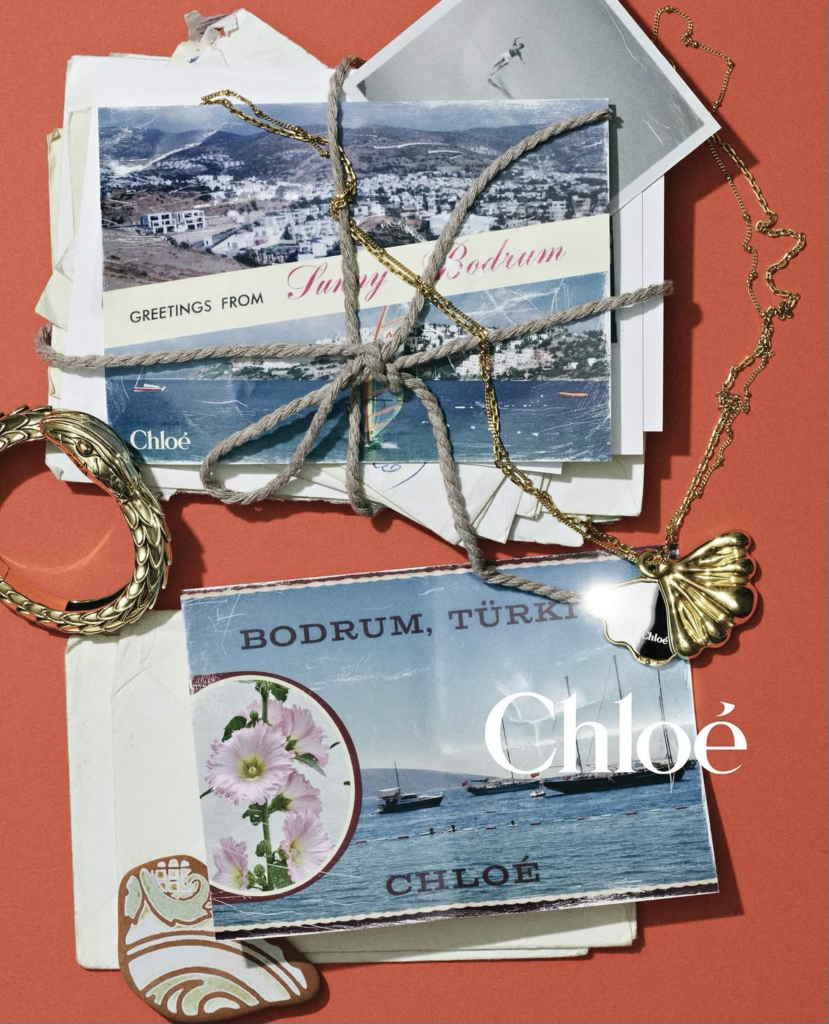
Images from the Chloé 2026 Summer campaign on Instagram.
From my own perspective, the most significant change I’ve noticed between my training as a designer fifteen years ago and my more recent studies at Vogue College is precisely the central role that meaning now plays in the creative process.
It’s not that concepts like storytelling, strategy, or brand building didn’t exist in 2010. They certainly did. But they were presented as just one more discipline within the process. Today, they’ve become the foundation upon which everything else is built.
Whether we were talking about branding, creative direction, photography, audiovisual production, editorial design, events, or visual communication, the same idea emerged time and again: the most solid creative work is born from emotional meaning.
And that meaning isn’t simply a concept, a slogan, or a carefully chosen word. It’s a story. A universe that people want to belong to.
In a market where exceptional quality is increasingly taken for granted, emotion can become the rarest luxury of all.
About this analysis
This article stems from the report The State of Fashion: Face to Face With Luxury Clients (2026), published by The Business of Fashion and McKinsey & Company, and is complemented by my own observations after more than fifteen years working in branding and creative direction, as well as the knowledge recently acquired during my studies in creative direction, fashion communication and visual culture at Vogue College.