Every so often, a new brand emerges with high prices, a carefully crafted visual identity, and a campaign that dominates social media. It quickly receives the “luxury brand” label. However, luxury rarely stems from a high price tag or sophisticated aesthetics. In fact, some of the world’s most expensive brands never achieve true luxury status, while others, with far more understated communication, maintain an almost unattainable prestige for generations.
The difference lies in what isn’t always immediately apparent. Luxury isn’t a sum of isolated elements, but rather a system of values built with patience, consistency, and time. It is precisely this depth that allows some brands to transcend trends while others disappear as quickly as they arrived.
Long before they sell products, they sell meaning
The great luxury houses have never competed solely to offer the best handbag, the most precise watch, or the most exclusive hotel. They compete to occupy a place in the collective imagination.
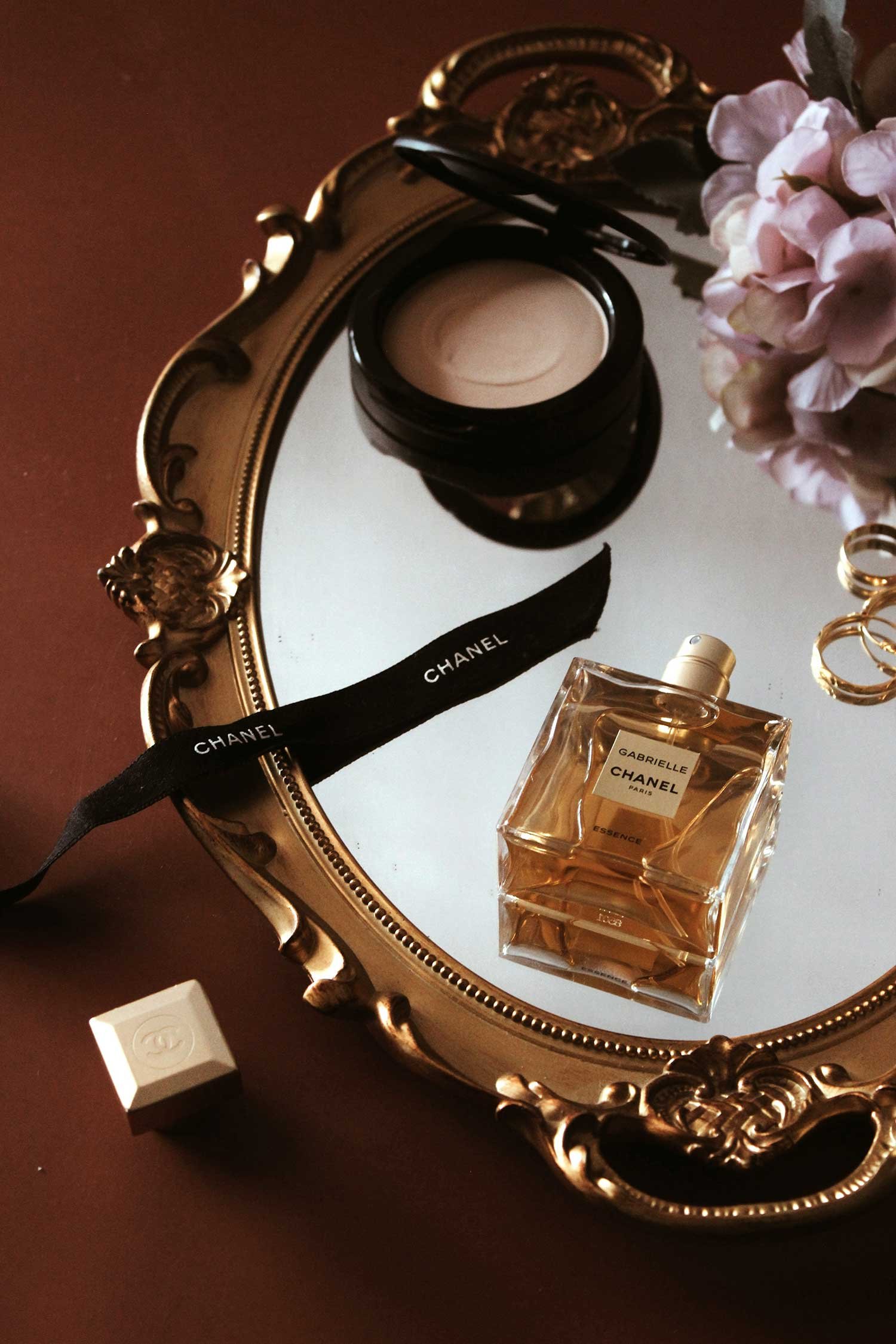
When someone thinks of Hermès, they don’t first think of a handbag. They think of craftsmanship, patience, and tradition. Chanel evokes independence, elegance, and a quiet revolution in women’s fashion. Ferrari represents a specific idea of Italian excellence, speed, and desire. Each has built its own universe that goes far beyond what it manufactures.
That’s why luxury brands don’t just communicate product features. They construct a narrative capable of giving meaning to everything they do. Their campaigns, their physical spaces, their customer service, their collaborators, and even what they choose not to do all reflect the same vision.
Quality is the starting point, not the destination
There’s a widespread notion that luxury simply equates to superior quality. While quality is essential, it has never been enough on its own.
Many companies produce exceptionally well-made objects without becoming luxury brands. The difference lies in the visible expression of a philosophy, expertise, and unique culture.
In many of the great European fashion houses, artisanal excellence remains a core part of their identity. It’s not just about the final product, but also about the process, the techniques passed down through generations, and the time invested in creating something that could hardly be accelerated without diminishing its value.
In luxury, the way things are made matters as much as the object itself.
Scarcity is never an accident
We live in an era where virtually any product can reach any part of the world in a matter of days. Precisely for this reason, the ability to say “not always” has become one of luxury’s greatest assets.
The most exclusive brands don’t seek to be everywhere or sell to the largest possible audience. They carefully control their distribution, limit certain production runs, and, in many cases, accept waiting lists as a natural part of the experience.
It’s not about creating artificial scarcity for mere marketing purposes. It’s about protecting perceived value and ensuring that what they offer retains its exceptional character.
Absolute availability rarely coexists with exclusivity.
Time remains one of the greatest luxuries
While much of the market chases immediacy, luxury brands tend to move at a different pace.
They don’t need to react to every trend or constantly modify their identity to remain relevant. Many have been using the same visual codes, techniques, and values for decades, refining them slowly rather than reinventing them every season.
In a culture dominated by speed, this ability to remain true to themselves conveys a sense of stability that is difficult to replicate.
Time doesn’t weaken a luxury brand. When managed well, it strengthens it.
Every detail speaks
In luxury, there are no secondary elements. The packaging, the typography, the paper used for an invitation, the lighting in a boutique, or the way an employee greets a customer—all belong to the same language.
Nothing seems improvised because, in reality, very few things are.
This obsession with consistency is one of the least visible aspects for the consumer, but also one of the most decisive. The best brands manage to make all their expressions seem to stem from a single personality, regardless of the country, format, or time.
It is precisely this consistency that ultimately generates trust.
Luxury also evolves
Although many of the great century-old houses continue to set the pace for the industry, contemporary luxury no longer depends solely on antiquity.
In recent years, new brands have emerged, capable of building prestige through different approaches. Some focus on the excellence of a specific craft. Others on extremely limited production. Some make sustainability, contemporary design, or a very defined cultural vision part of their value proposition.
What they all share is a clear intention: to create something meaningful, capable of generating desire without relying solely on marketing or price.
Contemporary luxury still demands excellence, but also authenticity.
Much more than a positioning
Con frecuencia se habla del lujo como si fuera simplemente un segmento de mercado. Sin embargo, las marcas que realmente permanecen rara vez nacen con el objetivo de ser exclusivas. Nacen con una visión extraordinariamente clara de quiénes son, de aquello que representan y de la experiencia que desean ofrecer.
La exclusividad suele ser una consecuencia de esa coherencia, no su punto de partida.
Quizá por eso construir una marca de lujo continúa siendo uno de los mayores desafíos del branding. No consiste únicamente en diseñar una identidad visual elegante o fijar un precio elevado, sino en desarrollar un universo completo capaz de transmitir confianza, deseo y significado durante años, incluso generaciones.
En una industria donde casi todo puede copiarse, esa profundidad sigue siendo el verdadero lujo.
Recommended readings
If you are interested in understanding more deeply how the luxury industry works and what distinguishes the great maisons from the rest of the market, these titles are an excellent starting point:
- The strategy of luxury, by Jean-Noël Kapferer and Vincent Bastien.
- Deluxe: How Luxury Lost Its Luster, by Dana Thomas.
- Luxury Brand Management, by Michel Chevalier and Gérald Mazzalovo (available in several languages and one of the reference works on luxury brand management).