Based on refined minimalism, healthy-looking skin, understated style, and apparent natural serenity, the clean beauty style quickly transcended social media trends to become a broader cultural language.
It began as a set of beauty and fashion guidelines known as the clean girl aesthetic, and then evolved into something more powerful: a visual expression of aspiration, well-being, and modern femininity. Although trend predictions have repeatedly announced its decline in recent months, this aesthetic continues to influence everything from beauty campaigns and luxury brands to fashion editorials and consumer behavior. And its enduring appeal reveals something interesting about the values that continue to resonate with contemporary audiences.

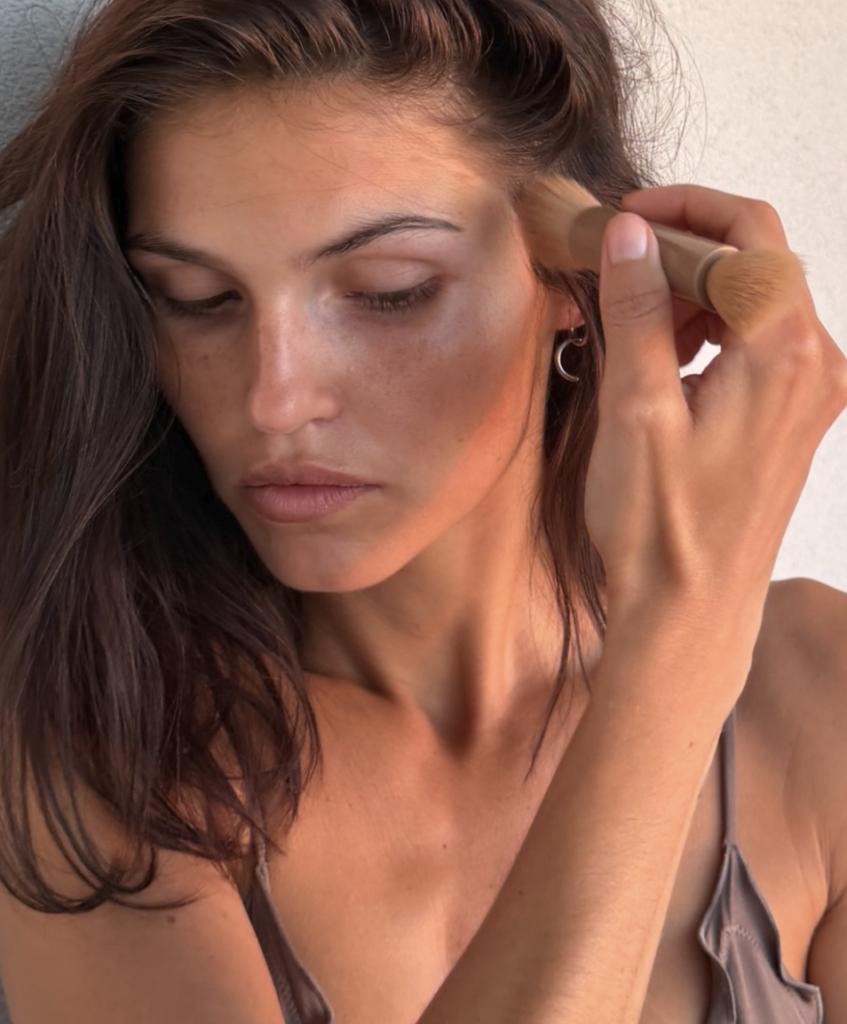
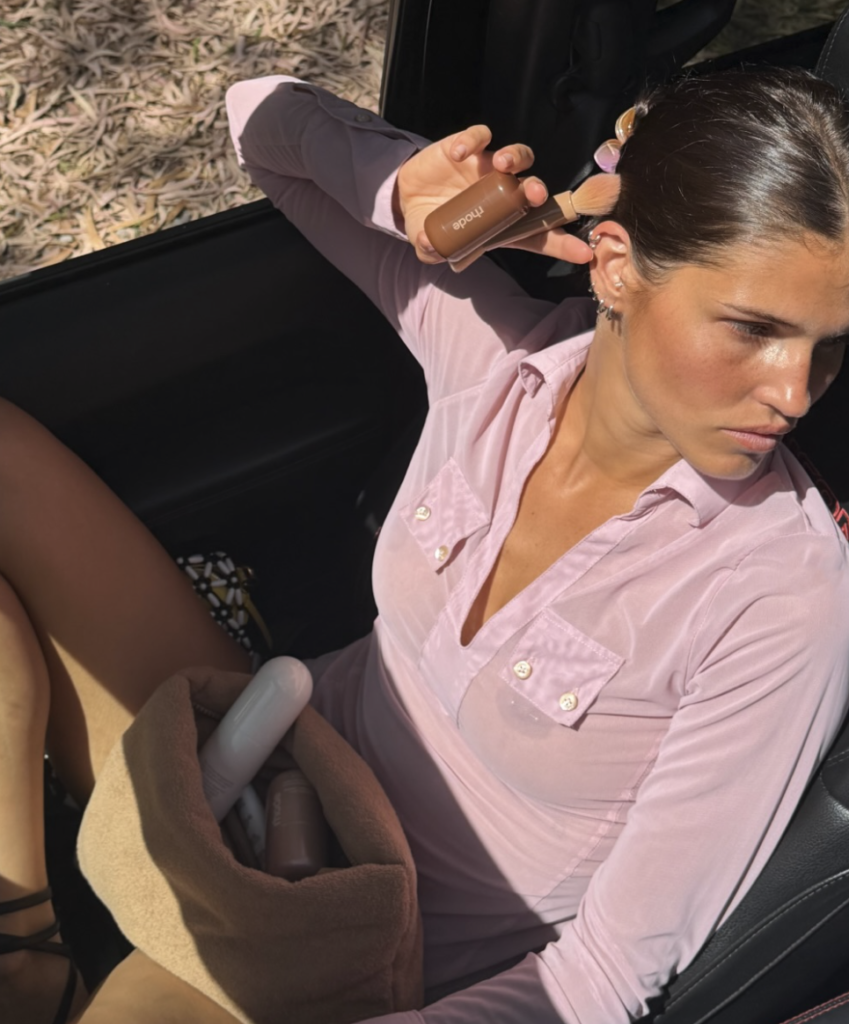
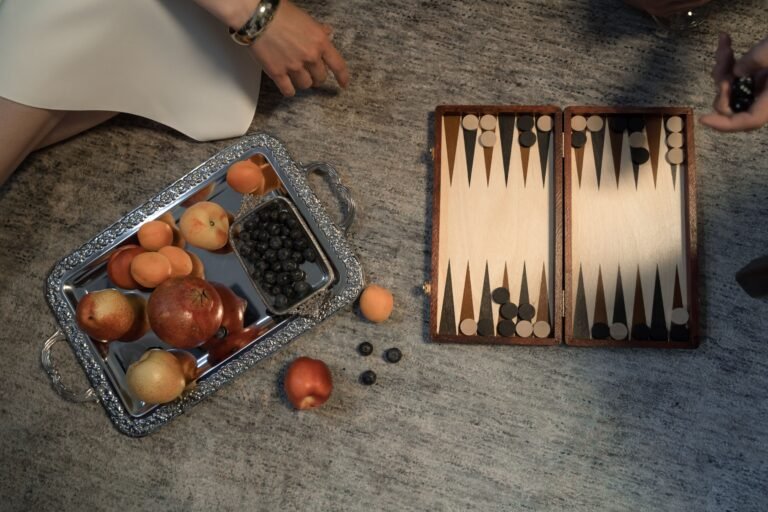
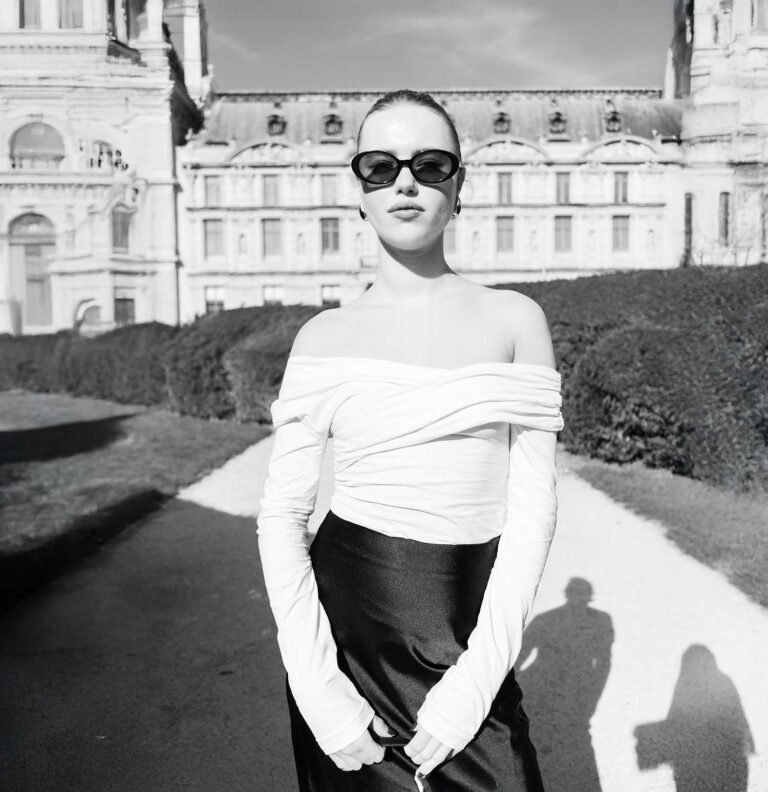
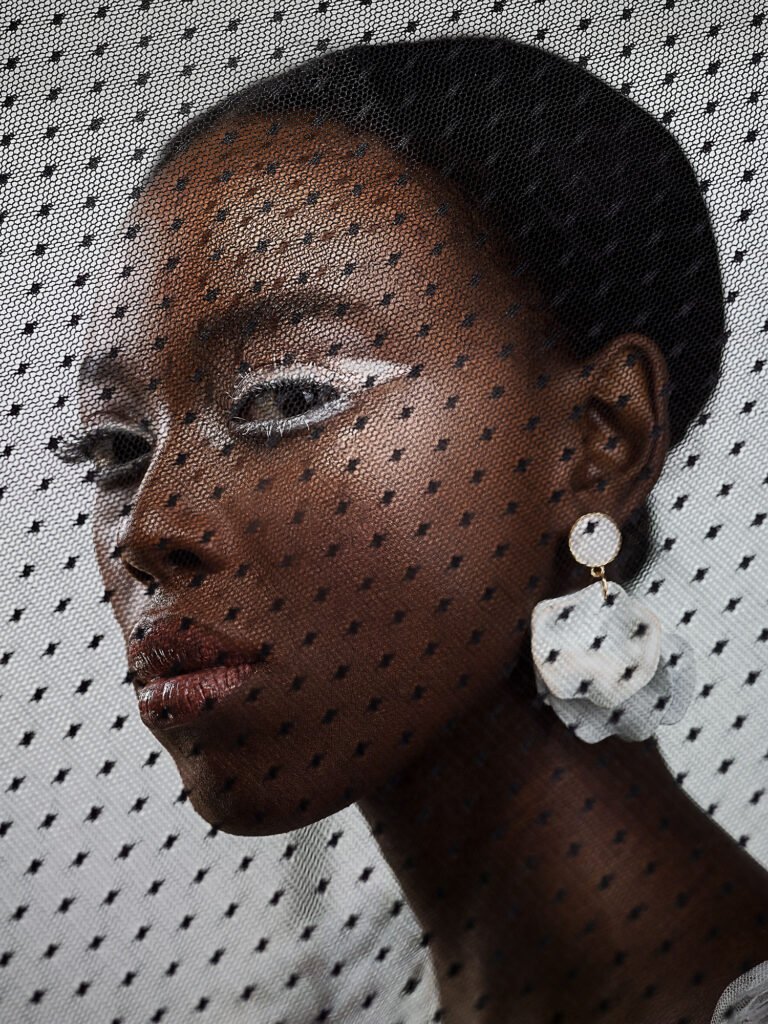
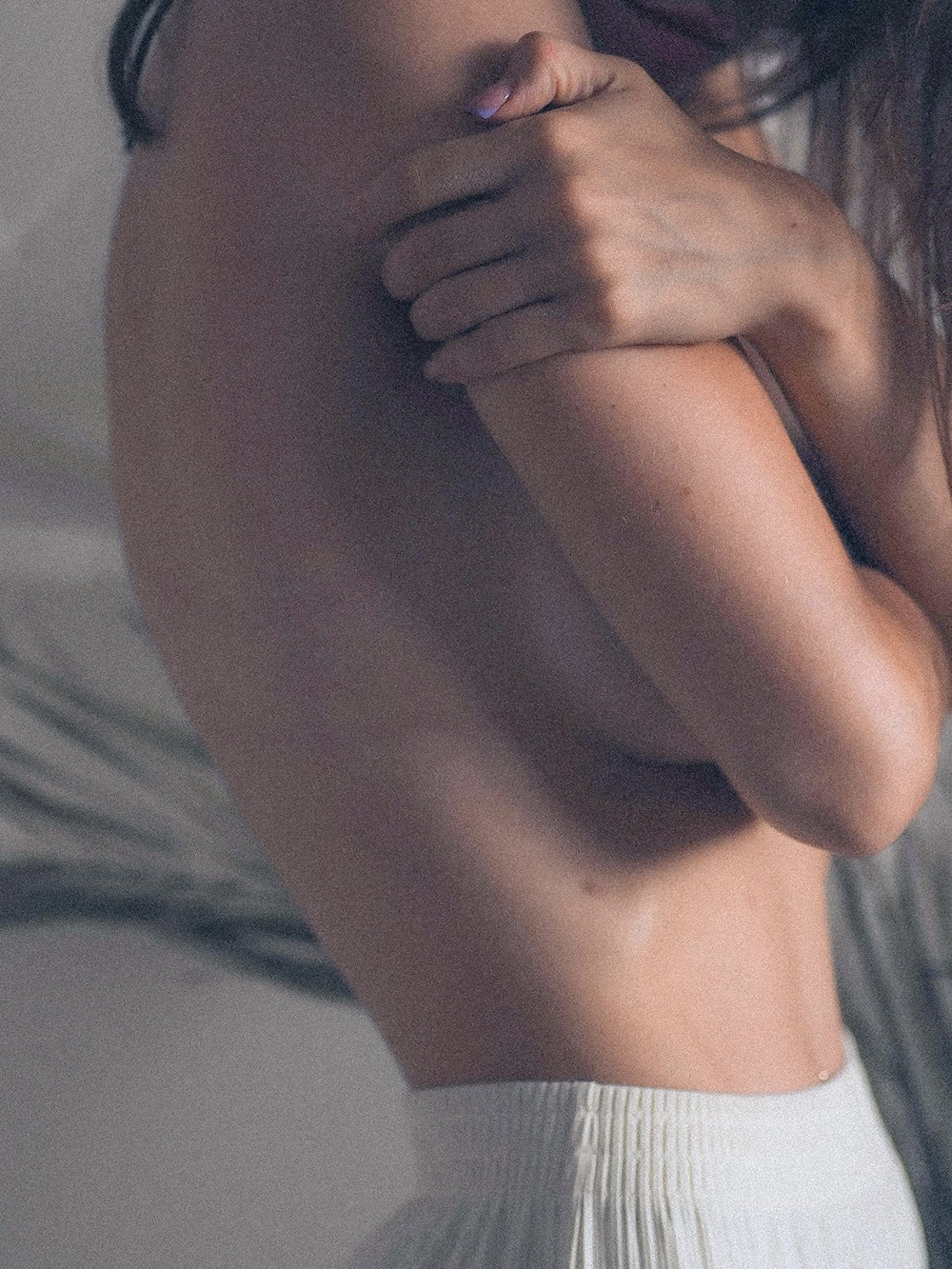
Images from the Rhode brand’s Instagram in the Summer of 2026
What “clean girl” really means as a lifestyle
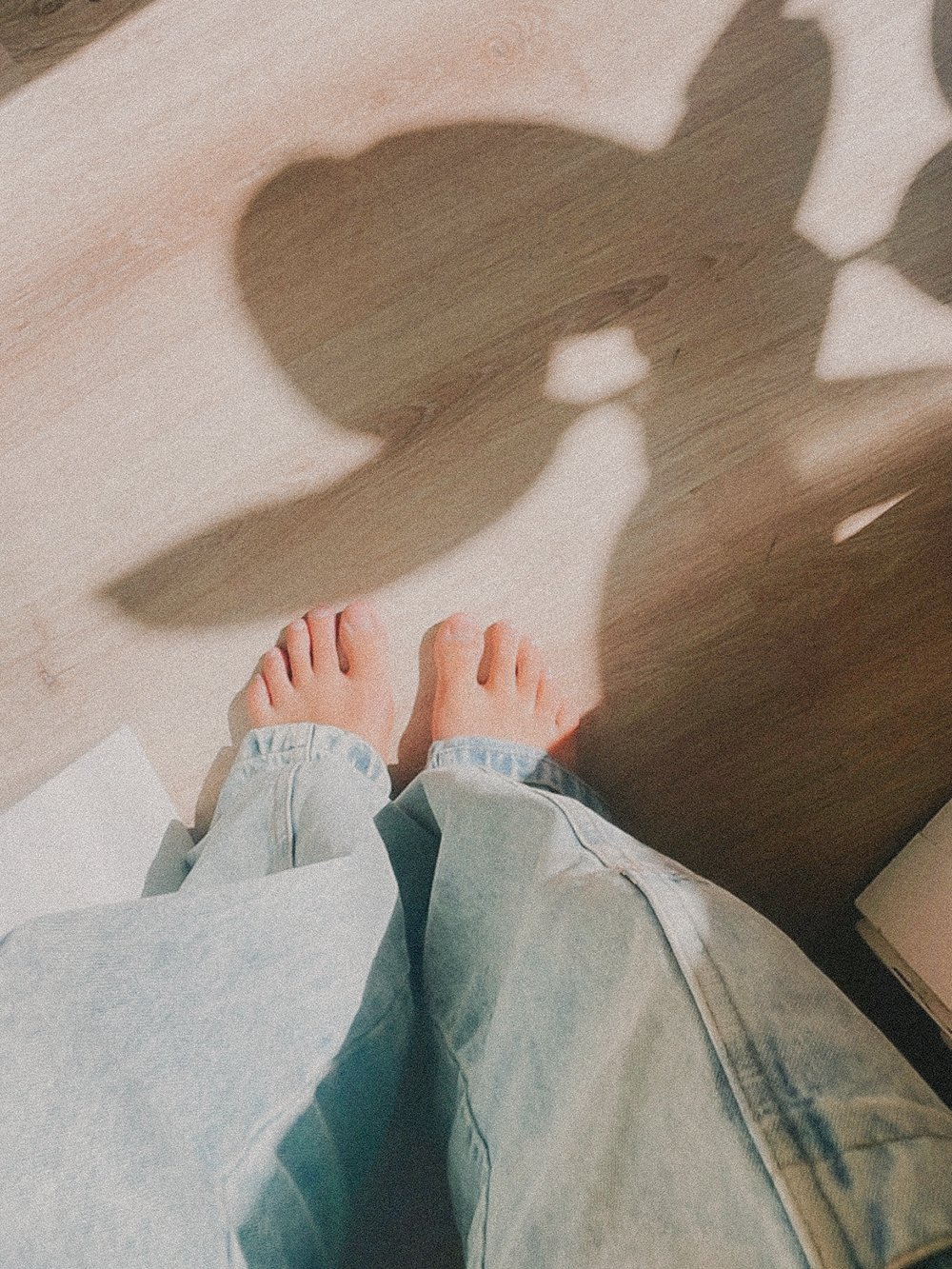
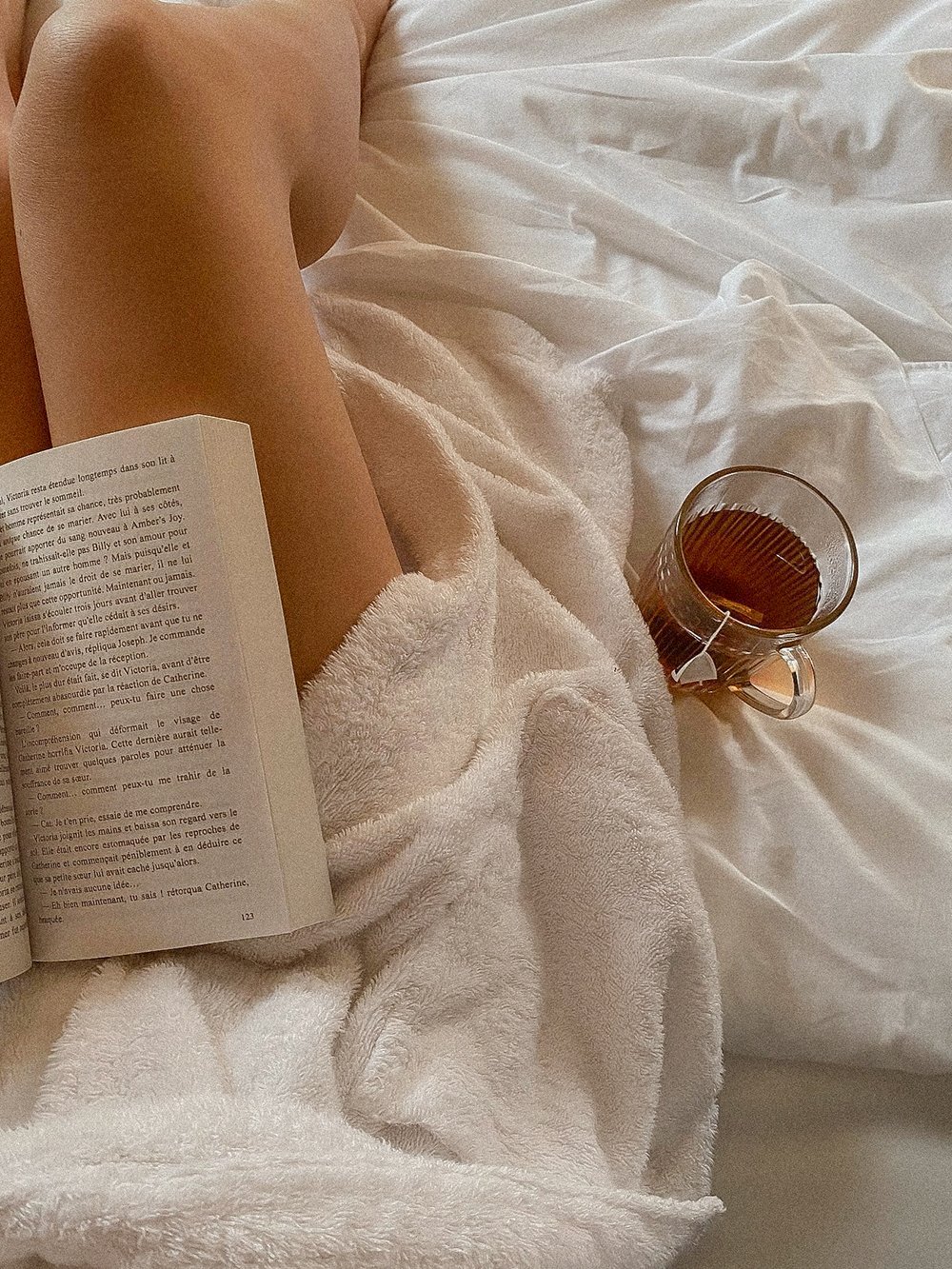
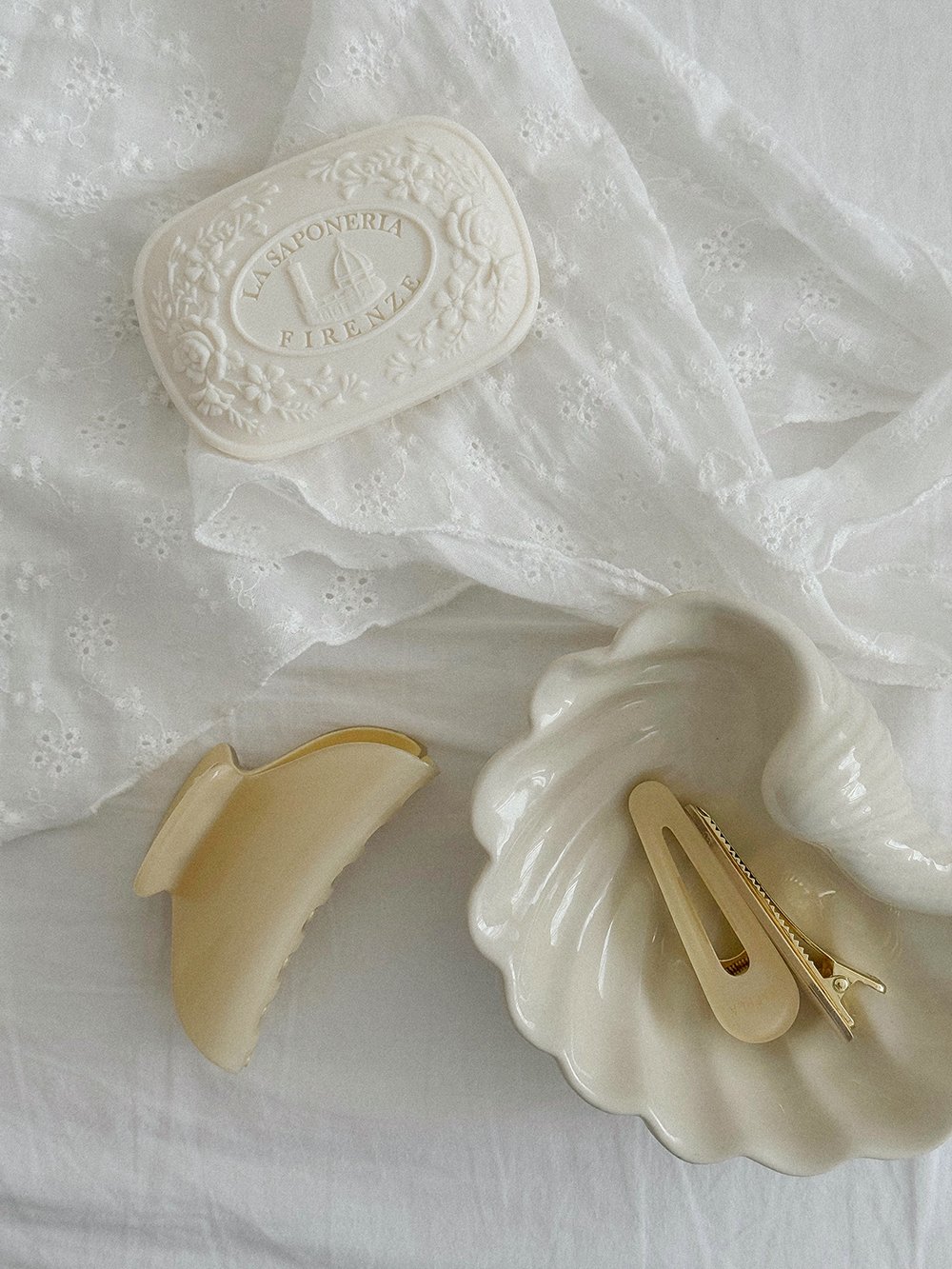
Beyond appearance, the “clean girl” look embodies the idea of an organized, healthy, and stable life. Videos showcasing routines suggest that the person has time to hydrate, exercise, care for their skin, keep their space tidy, and still show up to work or school looking natural. That’s part of the reason it became so powerful: it’s visual, but also emotional. It conveys a sense of control and tranquility in a world that can seem chaotic.
What makes it especially appealing is that it aligns with the modern wellness culture. The clean girl look implies good rest, good habits, and good self-care. That “fresh” face and impeccable clothing don’t seem accidental. They are presented as the result of a balanced life, where one is in harmony with their body and environment.
For many, it has become an aspirational ideal because it seems attainable and, at the same time, conveys a sense of effortless sophistication.
Becoming a cultural phenomenon
The term “clean girl aesthetic” burst onto TikTok in late 2021 and exploded in popularity throughout 2022, quickly spreading to Instagram, YouTube, and Pinterest. Its success was partly due to its perfect fit for short-form content. It’s easy to film, easy to replicate, and visually appealing. “Get ready with me” videos, morning routines, skincare routines, capsule wardrobe curated, wet-look hairstyle tutorials, and product roundups naturally fuel this aesthetic.
Celebrities and influencers also amplified it. Hailey Bieber, in particular, became closely associated with this style thanks to her glowing skin, minimalist makeup, sleek hair, and effortlessly chic look. Her beauty brand, Rhode, became a favorite among fans of this aesthetic.
Once other brands and media outlets began describing the style and selling products that mimicked it, the aesthetic transitioned from a trend to a full-fledged category, with countless variations to suit every budget.
The clean girl aesthetic and the quiet luxury
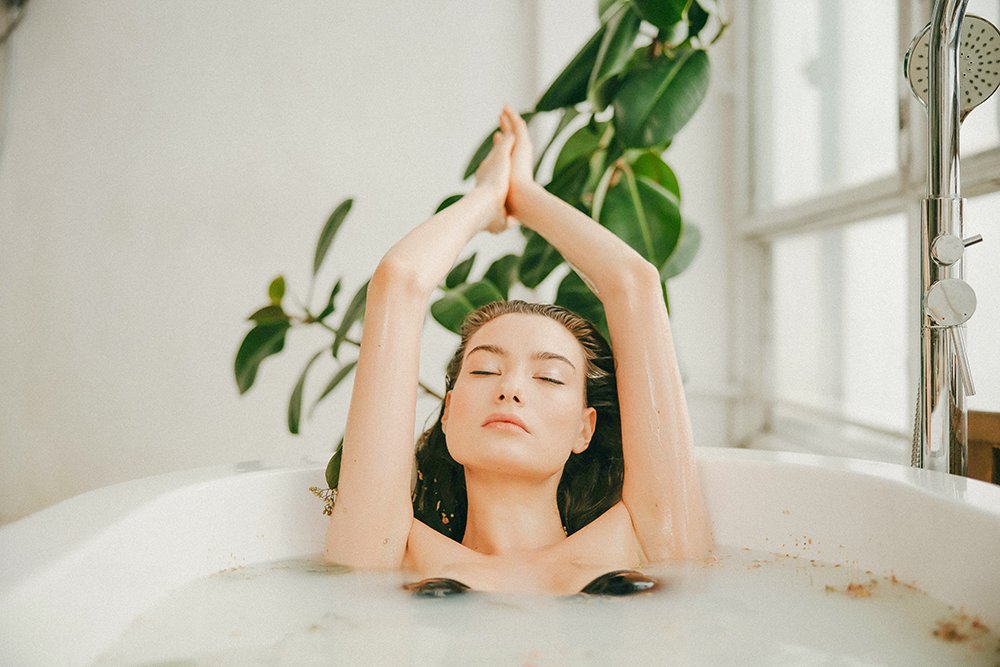
In this context, the clean girl trend also served as a crucial cultural bridge, preparing consumers for the eventual rise of quiet luxury. It achieved this by shifting the focus of aspiration from the chaotic, logo-centric maximalism of late 2010s fast fashion toward a meticulously curated minimalism and promoting minimal visual noise.
Another central element of this aesthetic was the concept of wellness as a status symbol; looking “clean” required investment in skincare, organic diets, and Pilates. This subtle shift in prestige, from external validation to internal, holistic refinement, laid the ideological groundwork for quiet luxury, which is also based on the idea that true wealth doesn’t need to be conspicuous.
As consumers moved beyond the initial cycle of the clean girl trend, its fundamental principles naturally evolved into the structural philosophies of quiet luxury: restraint over excess and quality over quantity. Intentional consumption, exemplified by the minimalist routines of the “clean girl,” transformed into a taste for timeless, well-made garments crafted from premium fabrics like cashmere and silk. Subtle symbols of wealth replaced the overt logo; distinction shifted from owning a recognizable garment to owning one that fit perfectly and exuded effortless elegance.
Style: fashion, beauty and the clean girl’s signature
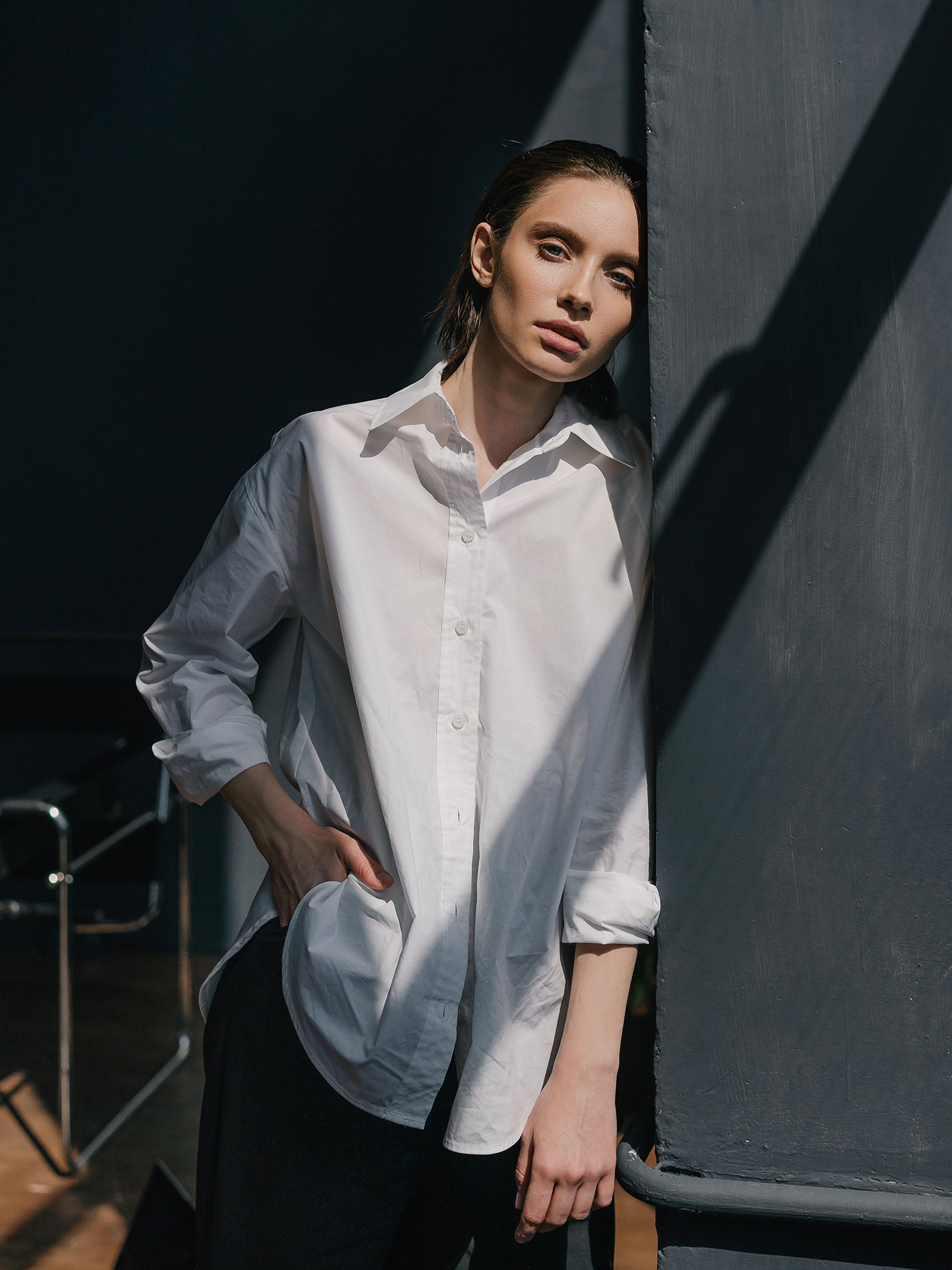
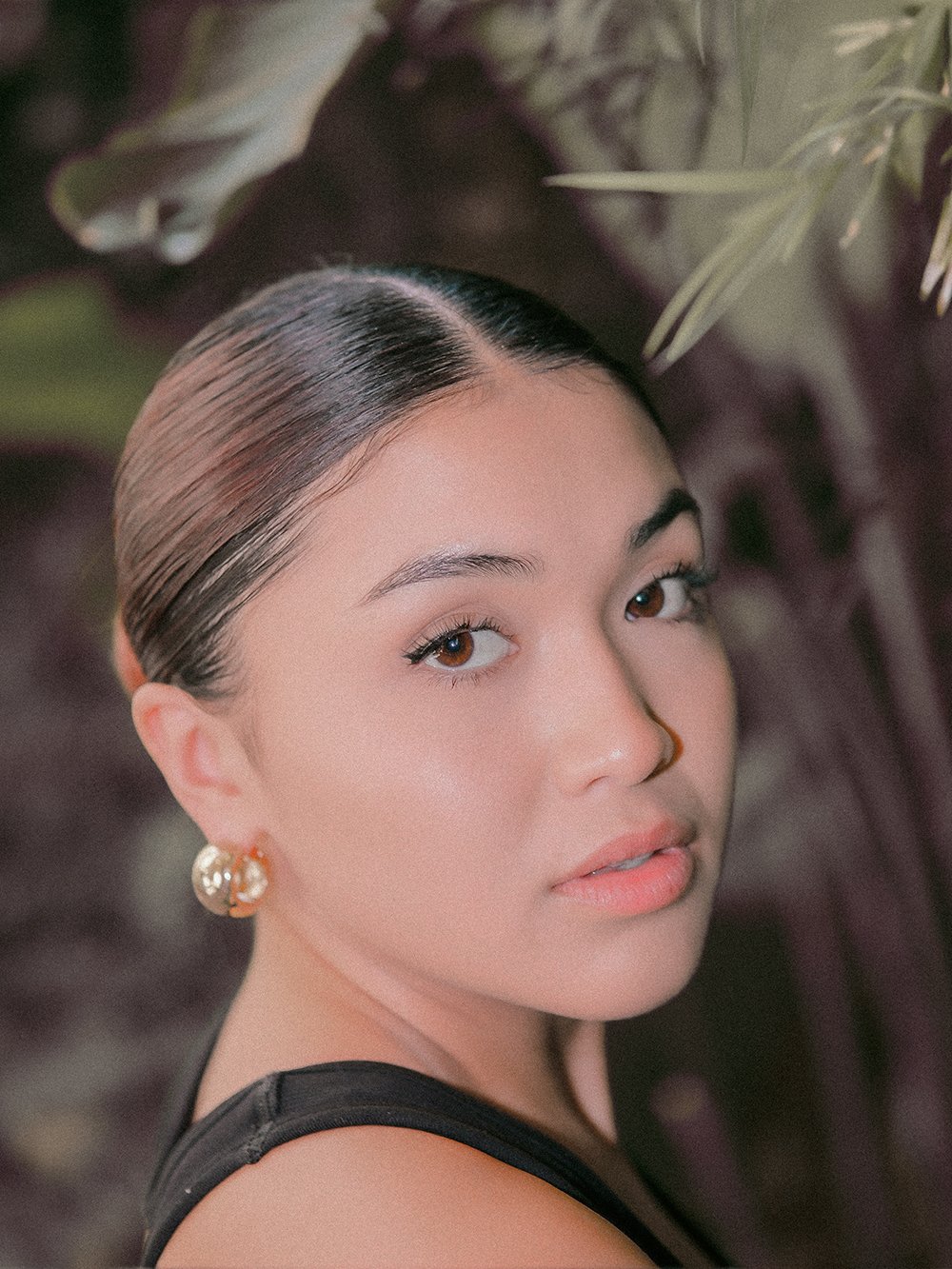
Visually, natural beauty is characterized by healthy, hydrated skin, makeup that enhances rather than alters one’s natural beauty, and a self-care routine that appears intentional. Foundation is typically a skin tone match or light coverage, combined with subtle concealer where needed. Blush and bronzer are soft and strategic, eyebrows are full and brushed upwards, and lips are usually glossy or have a balm-like texture. The effect aims for a natural look, but it’s often more carefully curated than it appears.
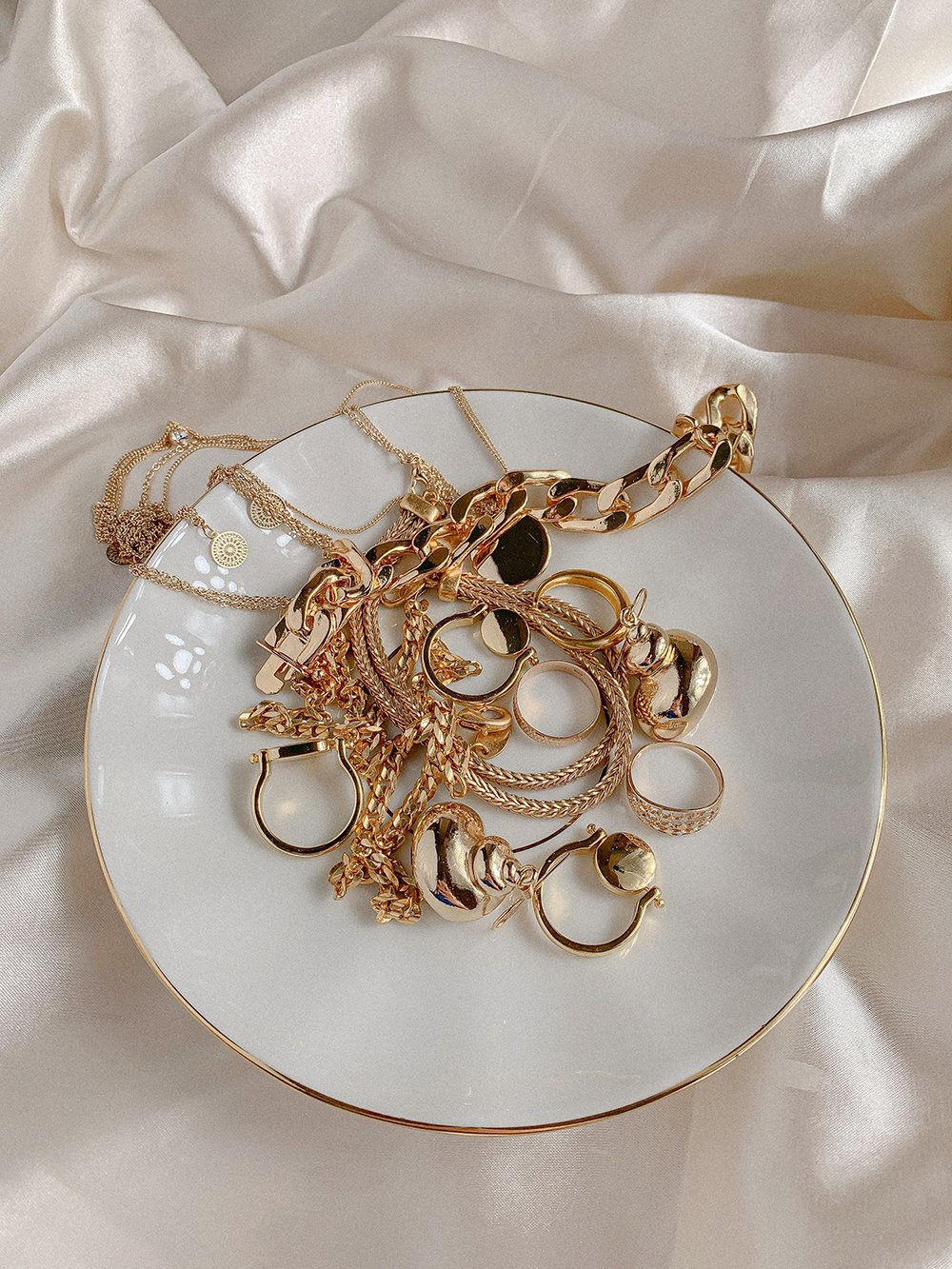
Hair is typically sleek and styled, with the sleek bun or ponytail with a defined part being the most common style, though many variations exist. Nails follow the same logic: neat, minimalist, and often clear. Fashion, on the other hand, tends to be neutral and classic. It’s based on simple lines, basic pieces, and a sense of cohesion. Instead of bold prints or extravagant styles, the focus is on fit, quality, and the overall harmony of the garments. Accessories are also typically minimalist: small gold hoops, delicate chains, and simple handbags.
The result is a style perceived as understated luxury, even when the pieces themselves aren’t expensive, as the overall impression is refined and cohesive.

Why is it still so attractive?
The minimalist and refined aesthetic hits the mark: it’s simple, wearable, flattering, and easy to adapt. It also conveys security and confidence. It suggests that the person has their life in order, even if that’s not always the case in real life. In a culture marked by constant content consumption, endless comparisons, and new micro-trends, a minimalist and clean look is a welcome relief.
It also offers structure. If you’re looking to feel more grounded, it’s natural to be drawn to a style that includes routines, habits, and a clear formula for looking and feeling your best. And since much of this style is based on basics, it doesn’t go out of fashion as quickly as more extreme aesthetics.
That’s one of the reasons it has remained relevant. Even when it’s not the current trend, it continues to be a common style for many people.
The criticism: what complicates the clean girl conversation
At the same time, the “clean girl” aesthetic has been criticized for several important reasons, and it’s worth understanding these criticisms if we want to discuss it in depth.
One major criticism focuses on recognition and cultural context. Many of the beauty and style elements that were labeled “clean girl” have long existed in Black, Latinx, and other communities of color. Straight hair, gold hoops, glossy lips, defined brows, and certain grooming practices weren’t invented on TikTok in 2020. What changed was that the style was rebranded and popularized in mainstream spaces, often by white influencers, and then treated as something new. This is part of a broader pattern in fashion and beauty where trends are dismissed when they belong to marginalized communities and celebrated once they’re given a new name.
Another criticism focuses on the language itself. Calling a style “clean” can imply that other styles are “impure.” Even when that’s not the intention, the terminology carries negative connotations, especially since beauty standards have historically been linked to social class, race, and ideas of “purity.” This trend can also be exclusionary when the image of the “ideal” girl is very limited: thin, flawless, effortlessly looking perfect, and with enough time and money to maintain it.
Furthermore, there’s a consumerist trap. The aesthetic is presented as minimalist, but pursuing that “effortless” glow can be expensive and time-consuming. Skincare routines can become a closet full of products, “simple” outfits a long list of carefully selected basics, and lifestyle can unconsciously transform into an expectation of constant self-optimization. When this happens, the aesthetic ceases to be inspiring and begins to generate pressure.


Is the clean girl dying? Or is it simply changing shape?
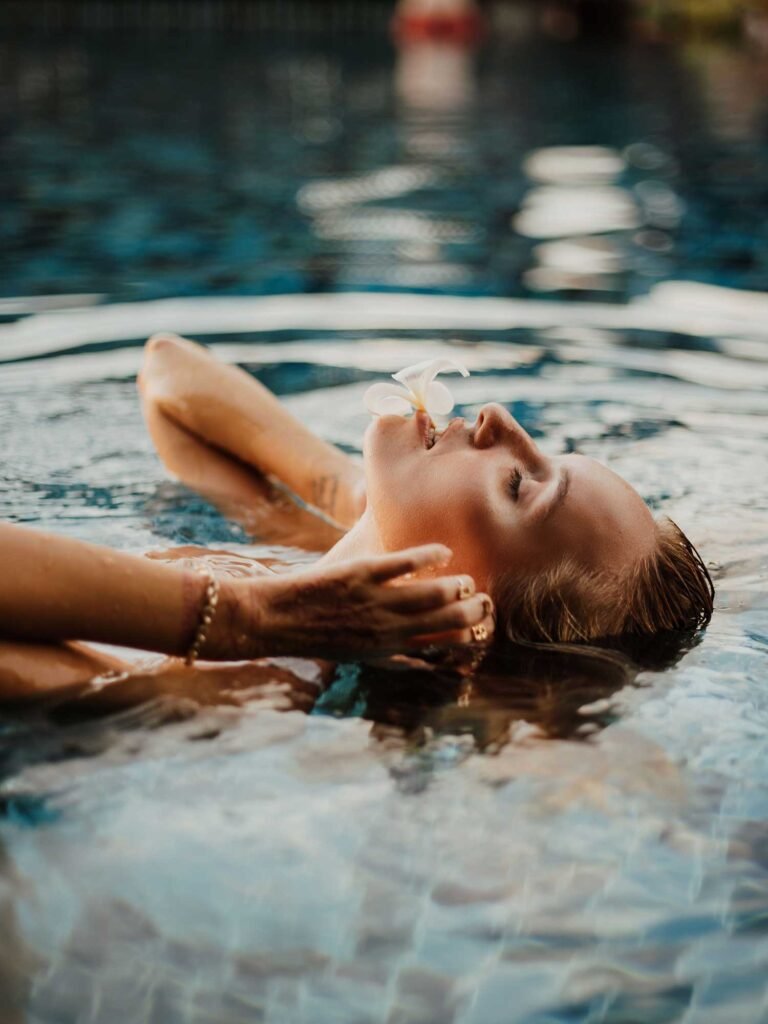
The clean girl style has faced considerable resistance in recent years, especially as “messy,” “grunge,” and more chaotic aesthetics gained popularity, particularly since the Brat Summer of 2014. This is evidenced by the return of smudged eyeliner, textured hair, bolder hairstyles, and a general shift in attitude toward imperfection and rebellion. But the clean girl style didn’t disappear. It evolved.
One of the most significant changes is that people are less rigid about uniformity. Instead of copying a single model, many now use the clean style as a base and add their own personal touches.
Another change is greater self-awareness. More creators recognize that the “natural” look still requires effort, and some are more open about the routines and realities behind the perfection. In that sense, it’s moving from a rigid aesthetic to a classic style direction that’s already part of everyday language.