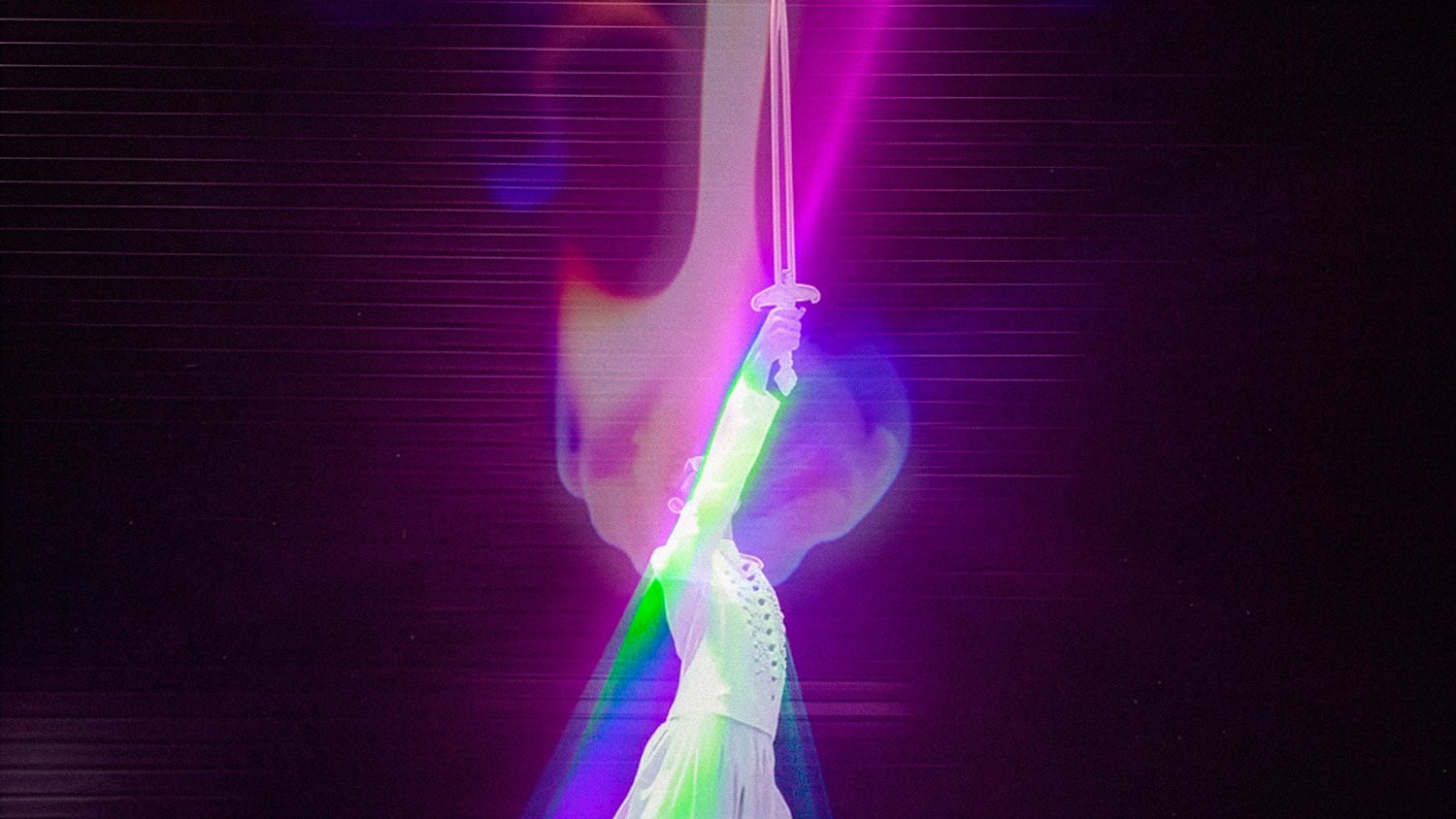
Some projects are born from a brief, others from a question. This one was born from a fear.
For as long as I can remember, death has fascinated me. Not only as a biological reality or a philosophical concept, but as one of the most powerful forces shaping human behavior. Entire religions, artistic movements, belief systems, and whole cultures have emerged from our attempts to understand it, explain it, avoid it, or make peace with it.
And yet, despite being the only certainty shared by all human beings who have ever existed, death remains one of the most misunderstood topics in our culture.
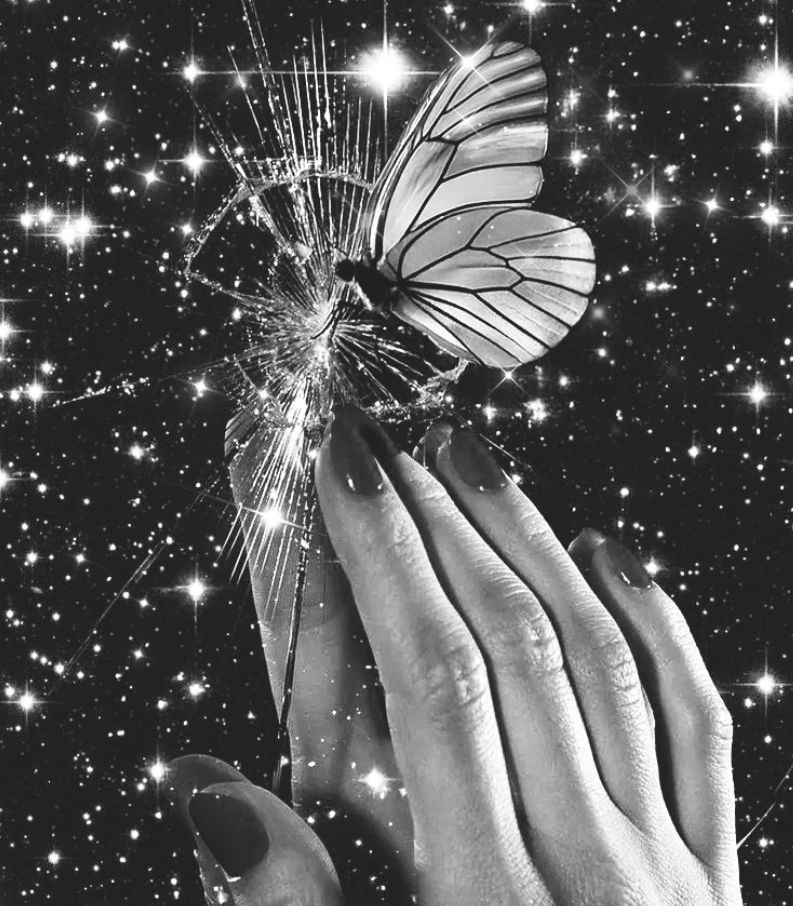

Death. Let’s talk about it.
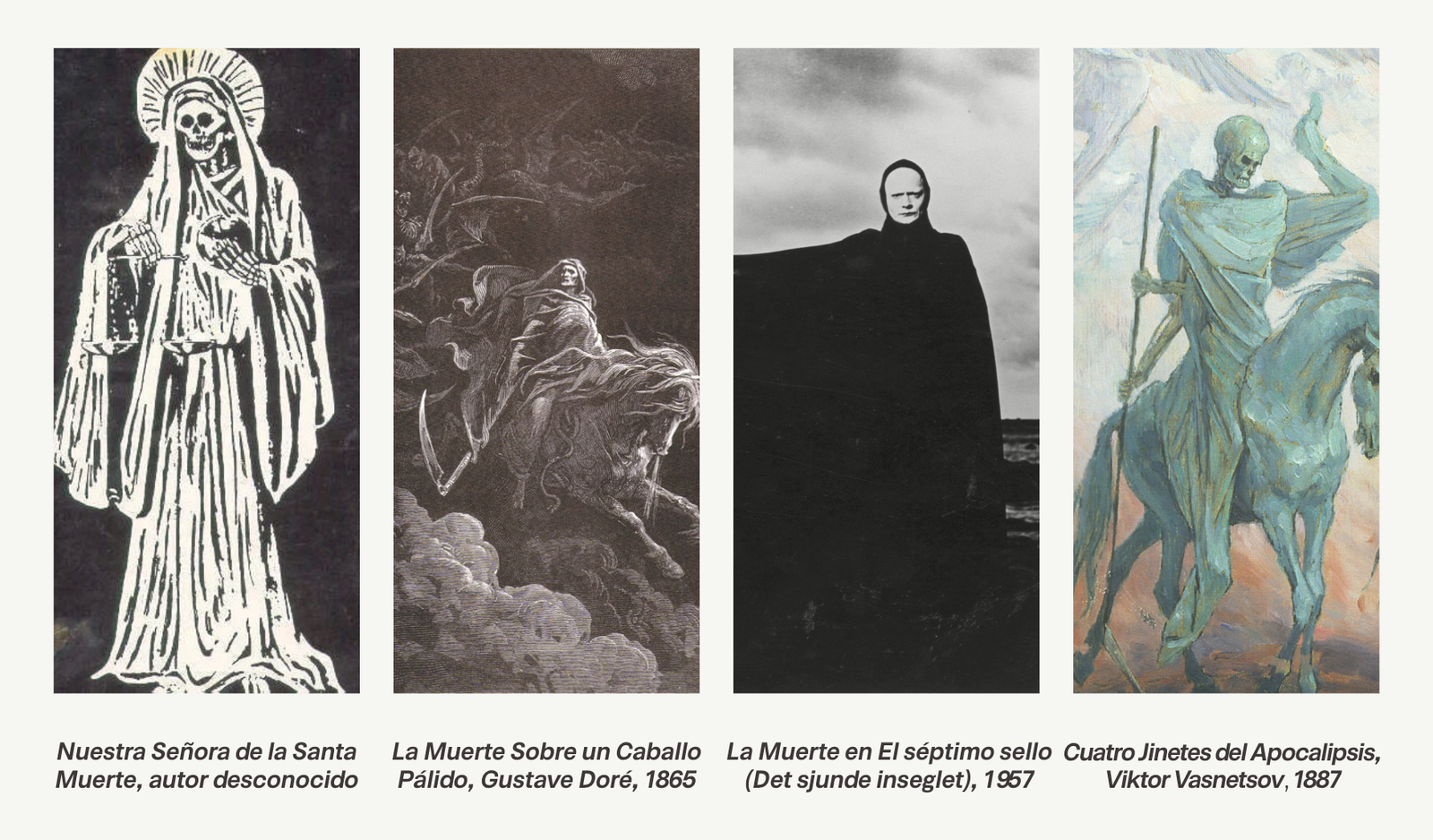
Because it’s a huge taboo, something we shouldn’t talk about. And when we do, we tend to resort to the same visual imagery: black robes, skulls, scythes, darkness, and fear. But what if that language no longer serves us?
What if death needed a rebranding?
These questions became the starting point for Miracula Infinita, a creative direction project developed during my studies at Vogue College Madrid.
Instead of approaching death as a philosophical abstraction, I decided to treat it as a brand with a serious perception problem.
A brand known by everyone, feared by almost everyone. Perhaps a brand whose reputation no longer necessarily reflects its true nature.
Death as a client
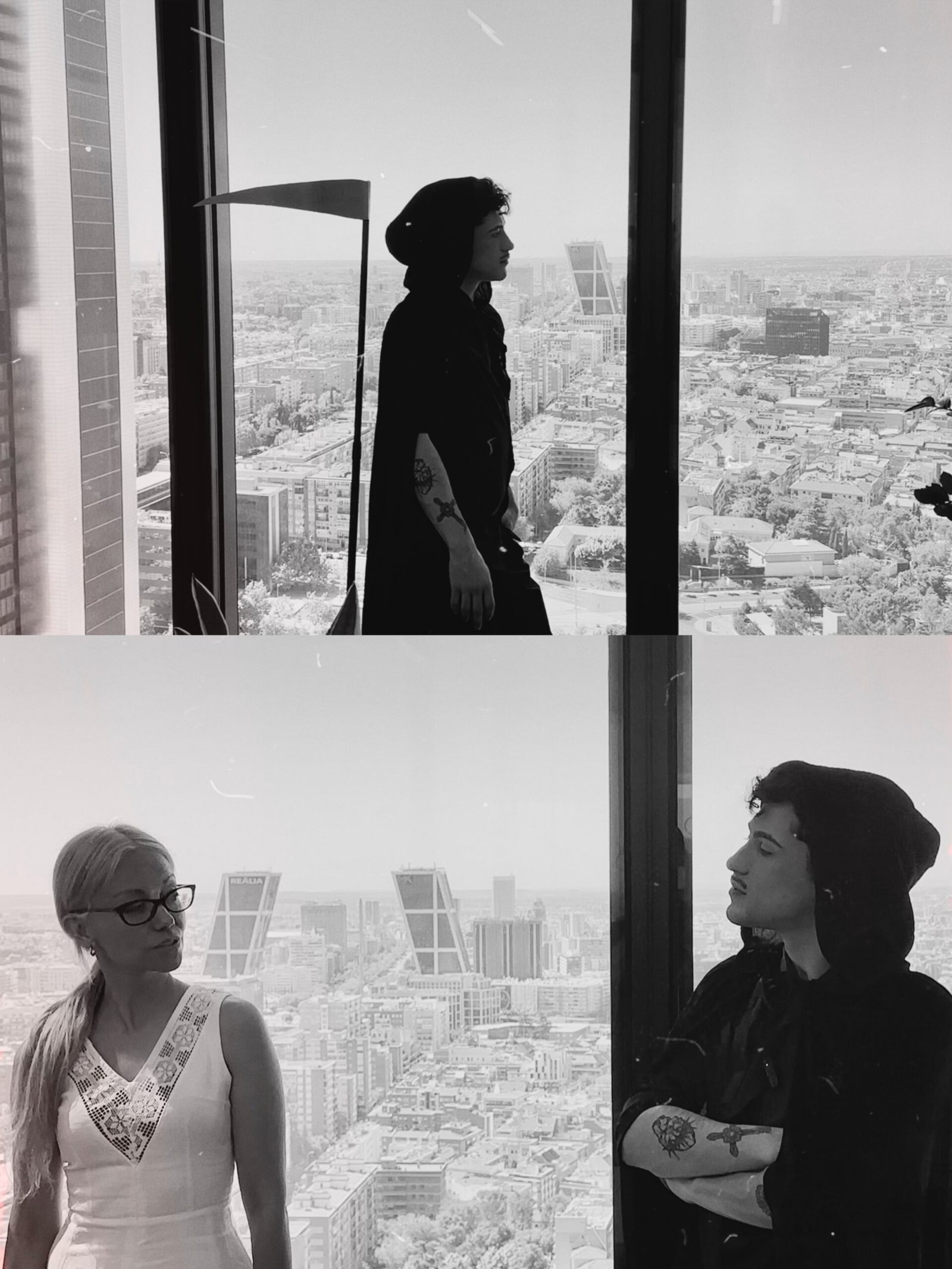
The project takes the form of a fictional encounter: Death enters a design studio in search of a new identity.
The premise immediately generates an intriguing tension. The audience expects a humorous reinvention or perhaps a gentler, lighter version of this universal figure. However, the opposite occurs.
As the project unfolds, it becomes clear that the goal is not to make death cute, harmless, or comforting. The ambition is much greater.
To understand what death truly is, to separate its essence from the imagery we have constructed around it over centuries. And, above all, to ask ourselves whether our fear stems from death itself or from the stories we have told about it.
The result is an exploration that combines branding, film, philosophy, psychology, symbolism, and visual storytelling.
Beyond the fear
One of the most interesting discoveries during the research was understanding the extent to which the awareness of mortality influences our daily lives. Psychologists, philosophers, and researchers have spent decades studying the relationship between death and human behavior, and our ambitions, our relationships, our need to leave a legacy, our search for meaning, and even many of our fears are deeply connected to the certainty that our existence has a limit.
In this sense, death is not the opposite of life, but rather one of the forces that gives it value. Without endings, moments would lose their significance, and without limits, time would lose its meaning.
This reflection gradually transformed the project. What began as a branding exercise ended up becoming a cultural proposition—an invitation to observe one of the great themes of human experience from a different perspective.

Rebranding
The visual identity developed for Miracula Infinita deliberately departs from traditional codes associated with death.
Instead of relying on darkness, horror, or decay, the project finds inspiration in concepts such as eternity, transformation, immensity, divinity, and natural cycles.
It’s important to clarify from the outset that the intention was never to deny the gravity of death, but rather to restore its complexity.
Death is terrifying. Death is beautiful. Death is painful. Death is necessary. Visual identity attempts to hold all of these truths at the same time.
From an aesthetic point of view, the project adopts a form of sacred minimalism, balancing strength and serenity, mystery and clarity, presence and contemplation. But the result is neither religious nor nihilistic. It inhabits an intermediate territory between design, art, and philosophical reflection.
Why film?
Although the project culminates in a complete visual identity system, branding alone didn’t seem enough.
Death isn’t just an idea. It’s an experience—emotional, intimate, and profoundly human. And film offered the possibility of conveying these dimensions in a way that graphic design alone could hardly achieve.
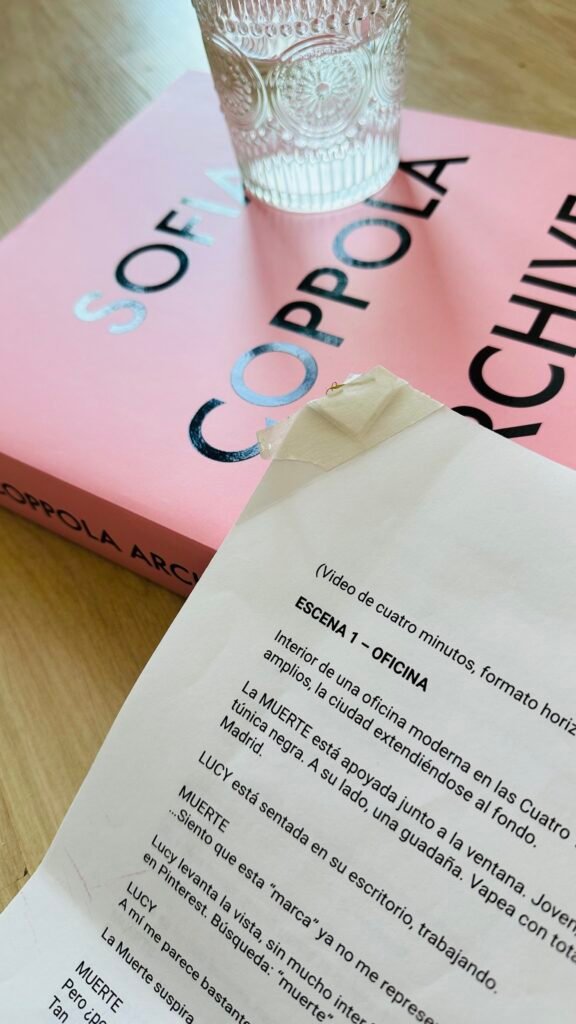
That’s why Miracula Infinita evolved into an audiovisual piece where visual identity becomes a narrative tool, not the final destination. The design supports the story, while the story supports the idea.

Miracula Infinita
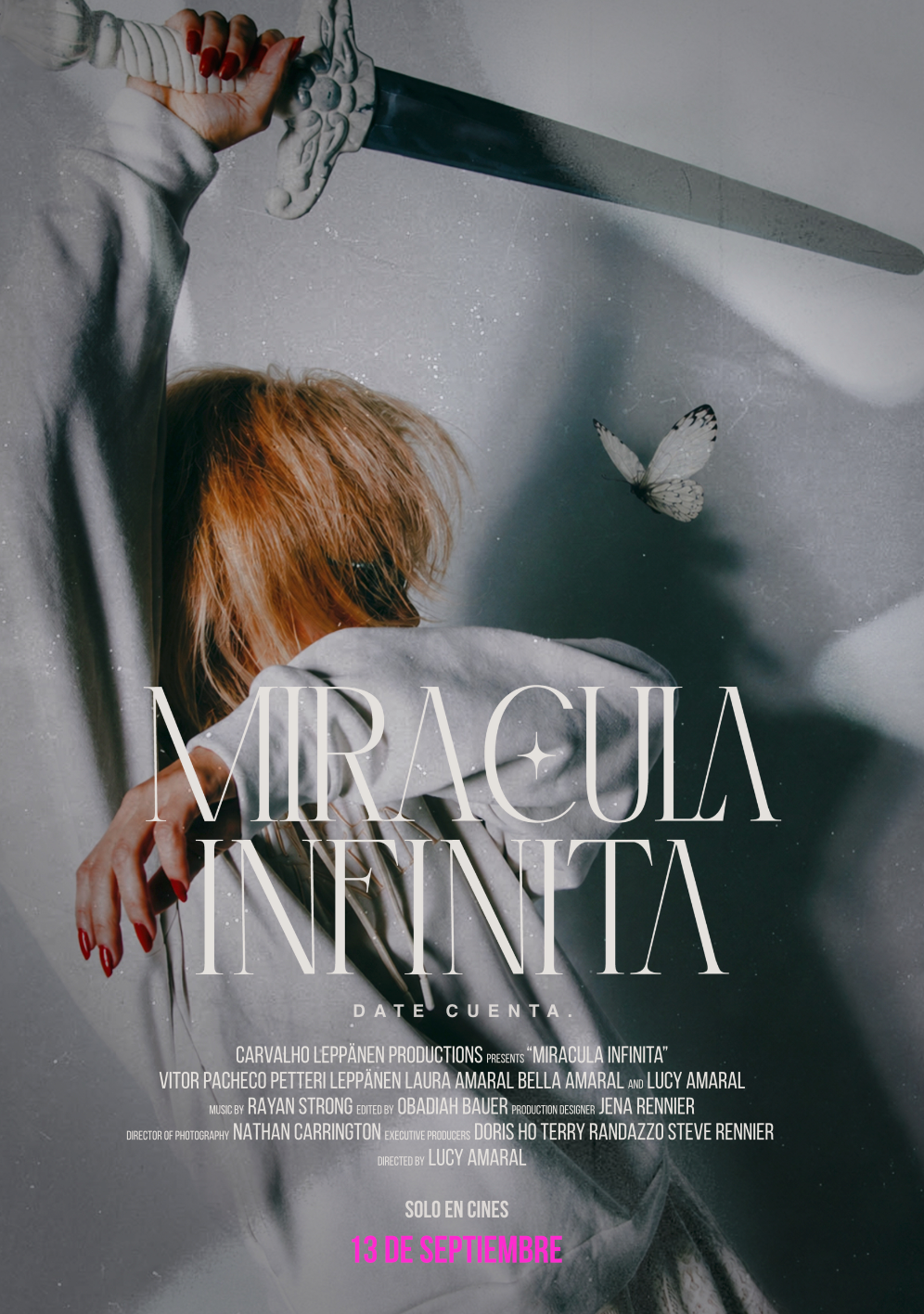
The title can be loosely translated as “Infinite Miracles.” It reflects one of the most important conclusions that emerged during the project’s development.
The miracle isn’t immortality, it’s existence. The fact of being here. With the possibility of experiencing love, beauty, friendship, art, memory, and wonder within a limited time.
The project doesn’t attempt to answer what happens after death, as that question belongs to philosophy, science, religion, and each individual’s personal beliefs. But what if accepting death allowed us to appreciate life more intensely? What if mortality wasn’t the tragedy we imagine?
In the end, Miracula Infinita became, for me, much more than a creative direction project; it became an exploration of perception. A study of the symbols we use to interpret reality.
A conversation between design and philosophy.
And, above all, a reminder that some of the most significant creative works are born precisely when we dare to look squarely at what worries us most.
Official website: micalulainfinita.com