There are those who follow trends, those who create them, and then there’s Fabien Baron: the man who designed the blank space where luxury learned to breathe.
If in the last four decades you’ve bought an iconic perfume, paused before a billboard with a magnetic aesthetic, or collected a fashion magazine as if it were a work of art, you’ve inhabited the universe of Fabien Baron (Antony, France, 1959). Considered by the industry to be the most influential creative director in the world, this multidisciplinary French creator has permanently altered graphic design, definitively shaping the visual identity of modern luxury.
The Manifesto of Space and Typography
The son of a Parisian newspaper graphic designer, Baron arrived in New York in 1982. What seemed like the arrival of a young European typographer quickly became a cultural revolution. His approach was based on a premise that was radical for the time: less ornamentation, more intention.
His time at the most prestigious publications in the world rewrote the rules of the publishing game through three indelible milestones:
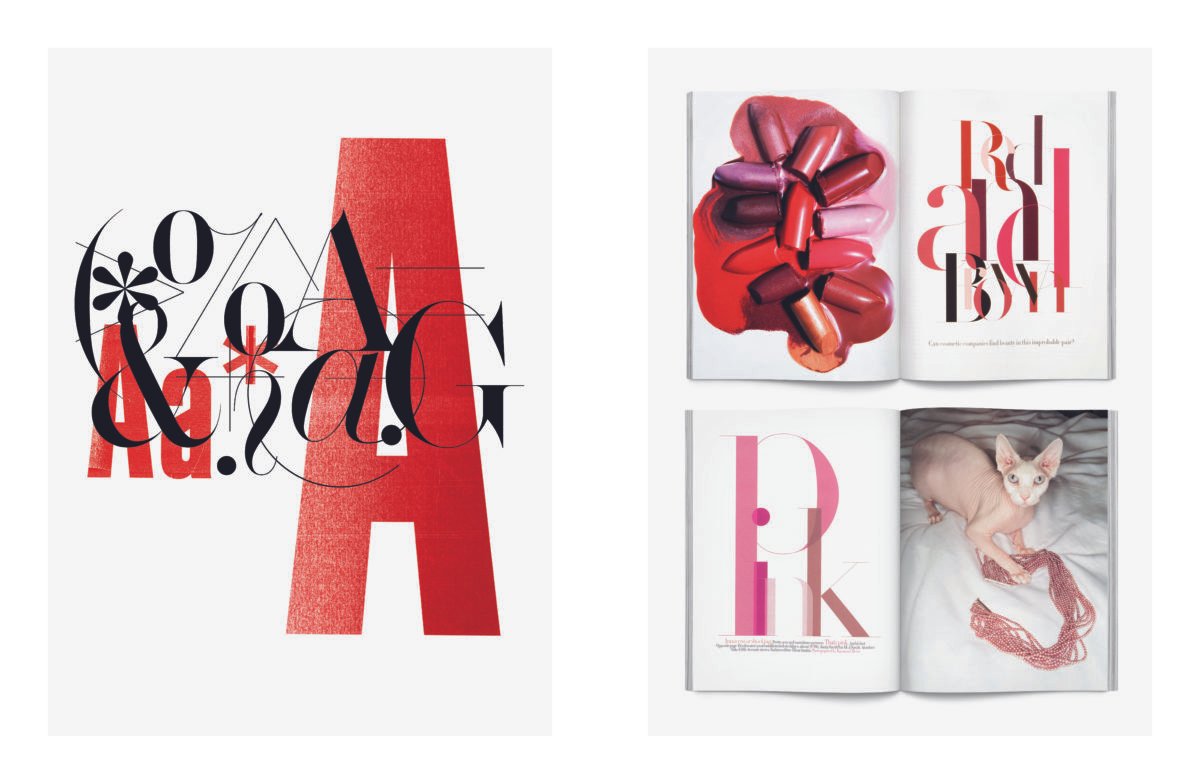
- Vogue Italia (1988-1990): Alongside the legendary editor Franca Sozzani, he broke the static nature of the fashion pages. He introduced typefaces that changed with each article and cinematic framing that transformed the magazine into a purely visual manifesto.
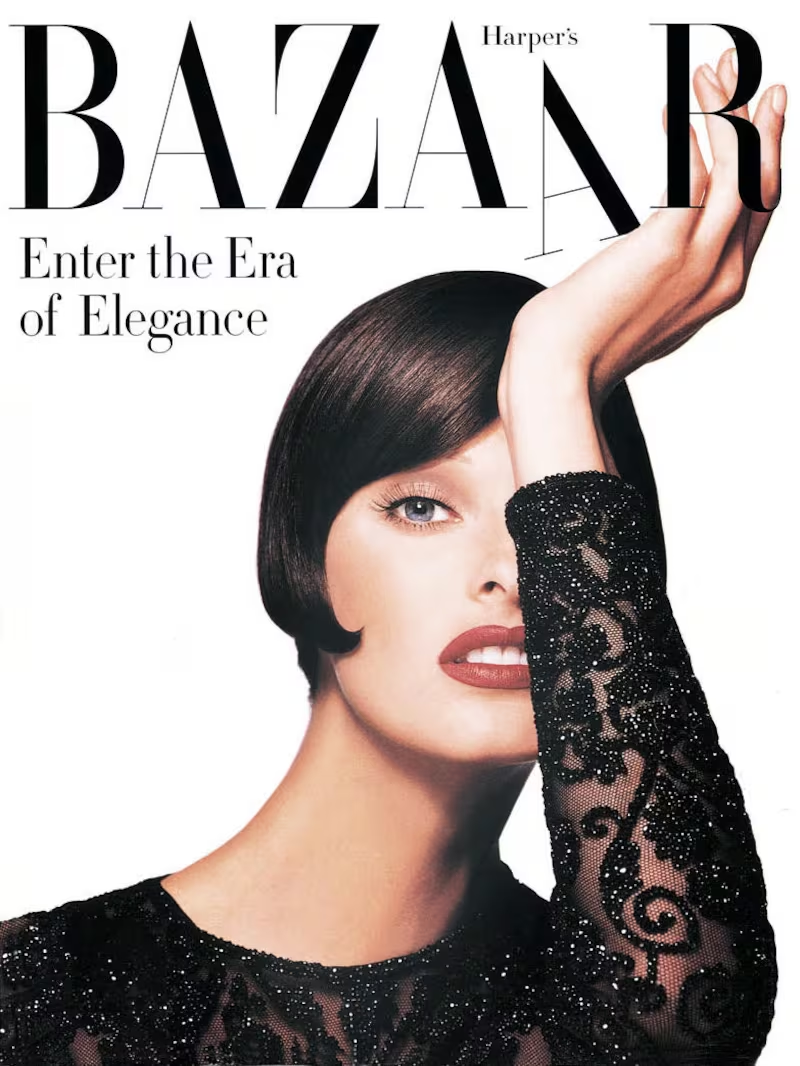
- Harper’s Bazaar (1992): Its redesign under the direction of Liz Tilberis is studied today in art schools. Baron emptied the covers of chaotic headlines, opted for absolute simplicity, and gave birth to what the British press instantly dubbed “the most beautiful fashion magazine in the world.”
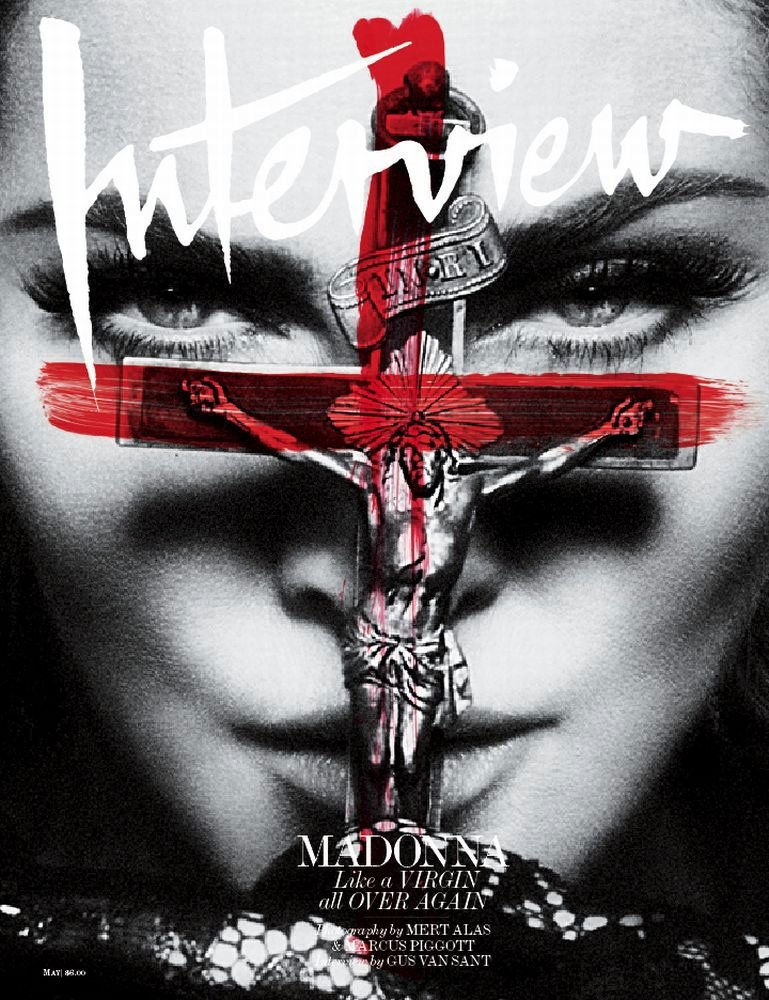
- Interview (1990/2008): He revived and elevated the original spirit of Andy Warhol, fusing the large-format format with avant-garde layout, oversized typography, and a contrast of deep blacks and pristine whites.
From Page to Object: The Perfume Alchemist
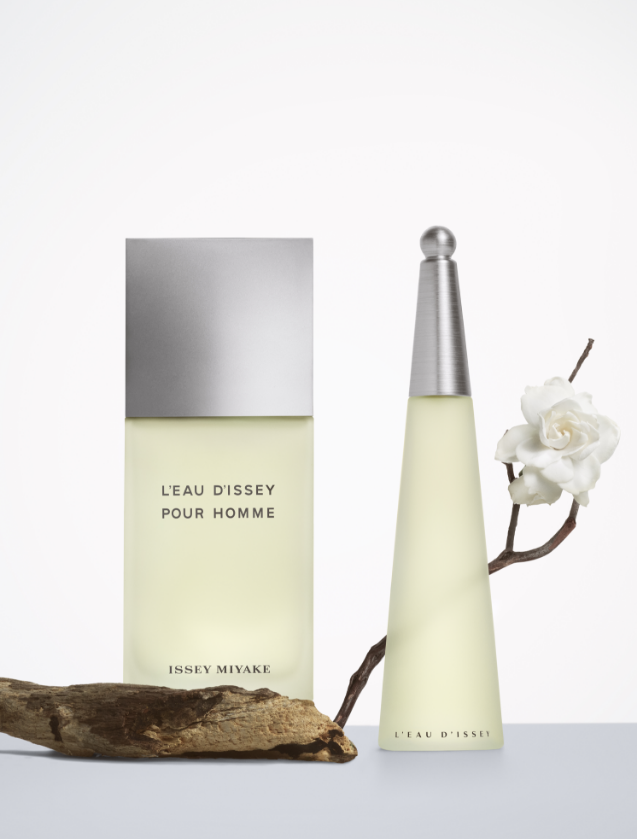
Baron’s true genius lies in his ability to leap from the two dimensions of paper to the three-dimensionality of the luxury object. His love affair with perfumery has left behind pieces that are veritable utilitarian sculptures in the history of fragrance marketing.
| Fragance | Brand | Baron’s Contribution |
| L’Eau d’Issey (1991) | Issey Miyake | His first great milestone in beauty. A conical, minimalist and pure silhouette that encapsulated the concept of water. |
| CK One (1994) | Calvin Klein | He designed the iconic textured bottle that emulated a rum flask and directed the campaign with a very young Kate Moss, defining the grunge and androgynous aesthetic of the 90s. |
| Acqua di Giò (1996) | Giorgio Armani | He broke up with the ornate bottles of the golden age of menswear, proposing a frosted, clean glass with Bauhaus lines that is still a global bestseller today. |
His agency, Baron & Baron (founded in 1990), became the sanctuary where major fashion houses came to reset their identity. From the rebranding and reinvention of Burberry in the late 90s (where he removed the final “s” from the original name Burberry’s), to the provocative campaigns for Calvin Klein with Mario Sorrenti, and including such striking visual identities as those of NARS Cosmetics, Balenciaga, or the typographic redesign of the global brand Zara.
Provocation, Elegance and Legacy
Baron’s impact is inseparable from his relationship with photography and sophisticated transgression. In 1992, he was the visual mastermind behind Madonna’s controversial and masterful book, Sex, defying the limits of censorship at the time. As a filmmaker and photographer, his eye has always sought the collision of opposites: extreme sophistication and the raw energy of the street.
His definitive monograph, Fabien Baron: Works 1983-2019 (published by Phaidon), only confirms that his portfolio reads like the official calendar of fashion weeks in Paris, Milan, and New York.
Today, luxury is no longer understood as a baroque accumulation of elements, but as an experience of purity, mystery, and atmosphere. A paradigm shift that we also owe to Fabien Baron’s relentless gaze and geometric precision.